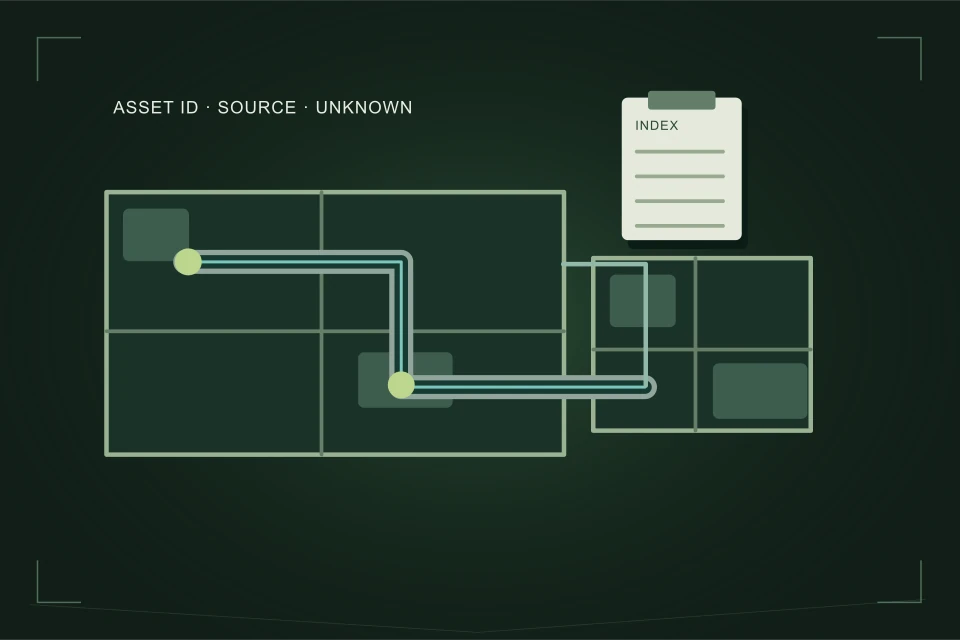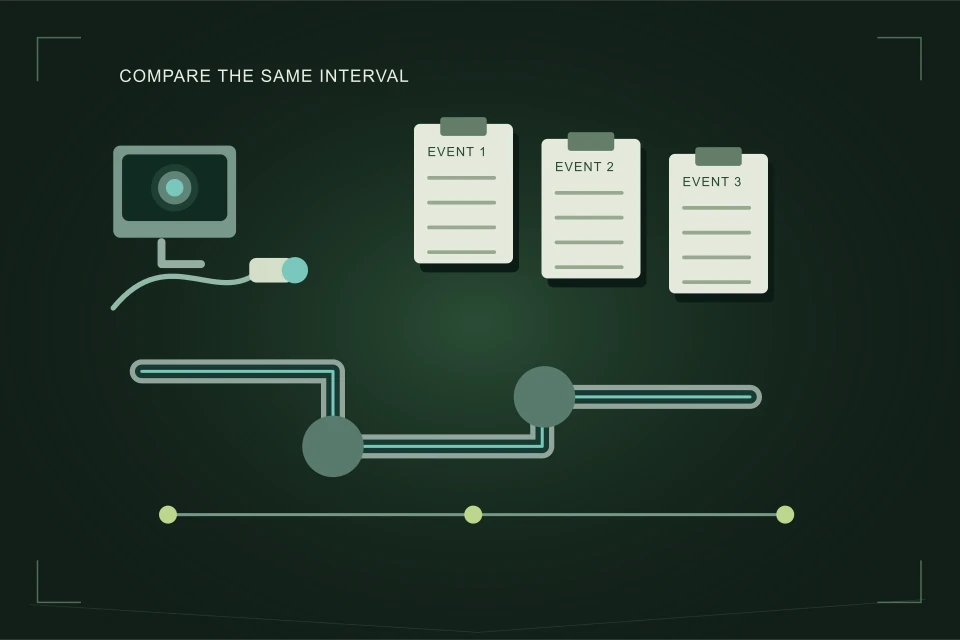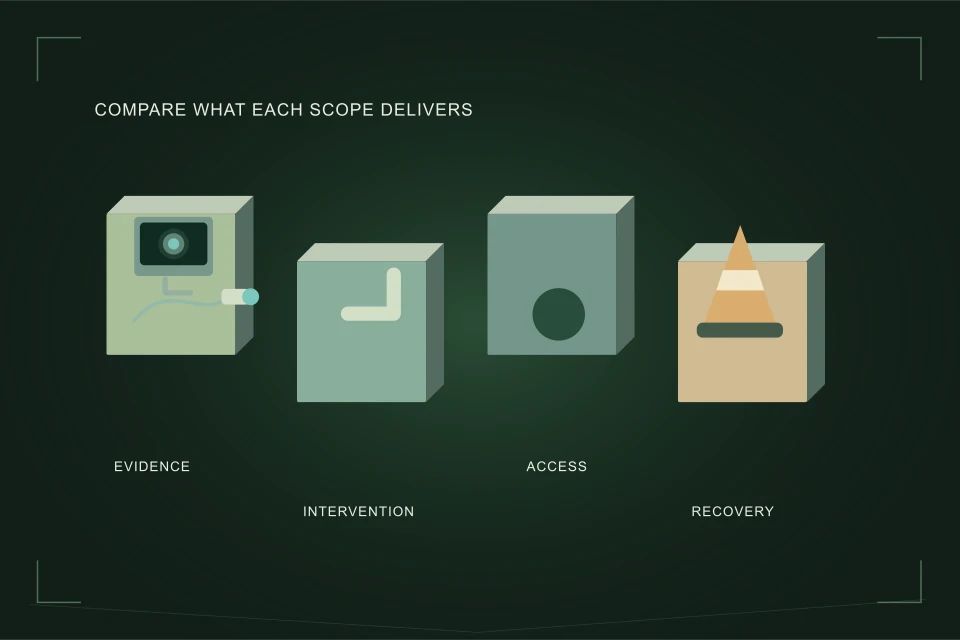
A useful budget begins with the asset, decision and actual scope rather than a generic per-building price. Separate investigation, intervention, operating coordination and contaminated-space recovery. Ask providers to price the same stated evidence and access. This guide does not publish invented fee bands; obtain current project-specific quotations and confirm City charges directly where applicable.
01 /What is the first budget question?
Decide what you are buying. An investigation asks a question and produces evidence; a cleaning scope intervenes on a named interval; a repair changes a recorded condition; restoration addresses contaminated space. A quoted total is hard to compare when each provider assumes a different outcome. Write the operational problem, relevant asset and decision needed first. Then ask what proposed scope answers that decision and what remains outside it.
Avoid using a whole-building label to price a partial visit. A provider might inspect one accessible run, service several named assets or require staged work because access is uncertain. The budget should show those boundaries. A modest, clearly described initial investigation can be more useful than an apparently comprehensive quote based on unverified routes. The manager needs to understand the deliverable, not simply whether the price looks similar to an old invoice.
02 /Which coordination costs and constraints should be visible?
Describe escorted access, resident appointments, equipment routes, relevant business operations and any proposed water-use interruption. Ask the provider which of these are included in their scope and which need building arrangements. Do not assume a basic service price includes moving stored items, repeated access attempts, all restoration or working around every tenant schedule. Clarify who performs ordinary site preparation and who determines the safe equipment method.
The time and cost of access constraints are project-specific. This guide does not invent an after-hours surcharge, a camera rate or a standard interruption duration. Obtain actual quotes and identify the assumptions. A provider may be unable to commit to a complete interval until access is confirmed. Record that qualification and a process for approving any changed scope rather than treating an initial planning figure as a fixed price for unknown work.
03 /How do you compare investigation quotations?
| Component | Question to ask |
|---|---|
| Asset and interval | Which run is included and from what access? |
| Preparation | What is required for a useful observation? |
| Deliverable | Original footage, indexed findings and summary? |
| Limitations | What if the intended coverage cannot be achieved? |
| Changed scope | Who approves extra work and on what basis? |
Send each provider the same project brief and relevant records. Ask them to explain any different recommendation rather than forcing a method unsupported by their assessment. If one scope includes recorded CCTV and another only restores flow, the totals are not like-for-like. Make a comparison sheet that shows included work, qualifications and the evidence you will receive. Retain the original quotes so the final decision can be traced.
An inspection recommendation should connect to the question being investigated. Ask why the proposed access and method are suitable for the asset. Avoid paying for duplicate visits simply because earlier reports were not assembled. Equally, do not assume an old partial recording answers a new question. A qualified provider can review the evidence and identify the remaining gap that justifies a new visit.
04 /How should planned work and incident recovery be separated?
A routine programme and an active sewage event have different priorities. An incident may require immediate safe response and flow restoration, then a separate contaminated-space assessment and follow-up investigation. Record those scopes independently. A drainage invoice is not a complete recovery budget. Speak to the insurer about documentation and applicable authorisation; do not promise coverage or resident compensation from a generic website.
For planned work, define the expected report and review step alongside the servicing. A maintenance quote should describe named assets and actual method, not just a calendar. Ask how exceptions will be reported and what recommendation could trigger a separate repair assessment. Keep capital work distinct from routine renewal. This helps the building understand whether recurring expenditure is maintaining an appropriate asset or repeatedly responding to an unresolved condition.
05 /What belongs in the authorisation and closeout?
Identify the person or body authorising the defined scope, their contact and the change-control process. A person arranging access may not have authority for a major intervention. Confirm that boundary before the provider arrives. When new findings change the proposed work, obtain a revised description and approval through the building process. Preserve the original scope and the reason it changed.
At closeout, match the invoice to the work report, accessed interval, original recording and outstanding actions. Do not mark every asset complete because one invoice was paid. If the visit had a coverage limitation, keep that visible in the building register. If a further assessment is recommended, assign its owner and record the next decision. A good budget history shows what the building purchased and what it learned, not just the spending total.
FAQQuestions people ask
Why does this building scope guide avoid generic sewer price bands?
A generic band can hide major differences in access, observed interval, equipment, deliverables and recovery work. Current project-specific quotations are more useful for these decisions. Compare equivalent scopes and ask providers to explain their qualifications. Confirm any applicable City charges directly rather than treating a website planning number as an official fee.
Can an emergency drain invoice be compared with a planned CCTV quote?
They may buy different outcomes. The emergency job can focus on safe response and restored flow, while the planned inspection specifies recorded evidence and coverage. Compare the actual scope, access and deliverable before comparing totals. Record any follow-up that remained open after the callout.
What if a provider cannot price the whole interval before access is confirmed?
Record that limitation and ask for a staged scope or stated assumptions. Agree how additional work would be described and authorised. Do not present an initial planning figure as a fixed total for unknown sections. The building can first resolve access or commission a defined investigation, then price the supported next work.
Does paying the final invoice mean all building sewer work is complete?
Payment is a financial event; completion needs the actual scope and handover reviewed. Match the invoice to reports, recordings, access and limitations. Keep unobserved intervals and outstanding recommendations visible. A partial visit can be valuable without establishing that every connected asset has been assessed.
NETWORKGo deeper across the HAUSE Sewer network
Sewer camera inspection certification and training: what it proves
Sewer camera inspection certification and training in Canada: NASSCO PACP and LACP, home inspector courses, safety training and what a credential proves.
SewerCleaners.caCondo and multi-family sewer cleaning programs
How condo boards build a sewer cleaning program: stack cleaning, building drains, camera baselines, reserve fund planning, bylaws and resident notices.
PipeCleaning.caWhat drain cleaning is, and what a pipe cleaning service actually does
What is drain cleaning? What a pipe cleaning service does on a visit, whether it counts as plumbing, who can do it, and how to choose a service near you.