Contact Calgary 311 for a sewage backup assessment and project-specific City service questions. Use qualified contractors for the relevant building investigation and permit route. Keep private connection, food-service and residential-data limits explicit. A multi-unit building cannot assume it is covered by a residential dataset or homeowner permit pathway. This page links the authoritative sources without inventing fees or response schedules.
01 /Where does an active building backup start?
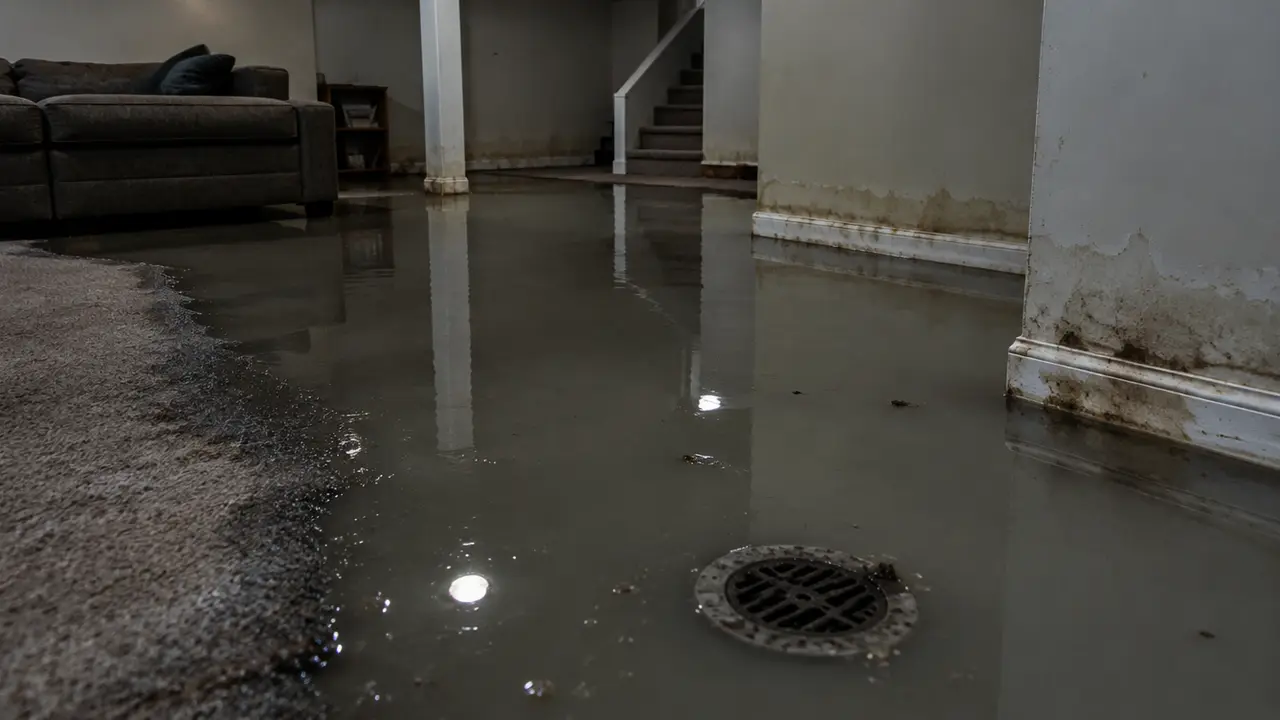
Calgary directs people with sewage backup to call 311 for assessment of whether the problem is City-related or internal. A building team also needs its responsible response contacts and appropriate qualified providers. Protect occupants from sewage and wet electrical equipment before gathering records. Stop contributing water use when safe and follow actual responder instructions. Immediate danger requires emergency services; a website enquiry does not confirm dispatch or replace the building incident process.
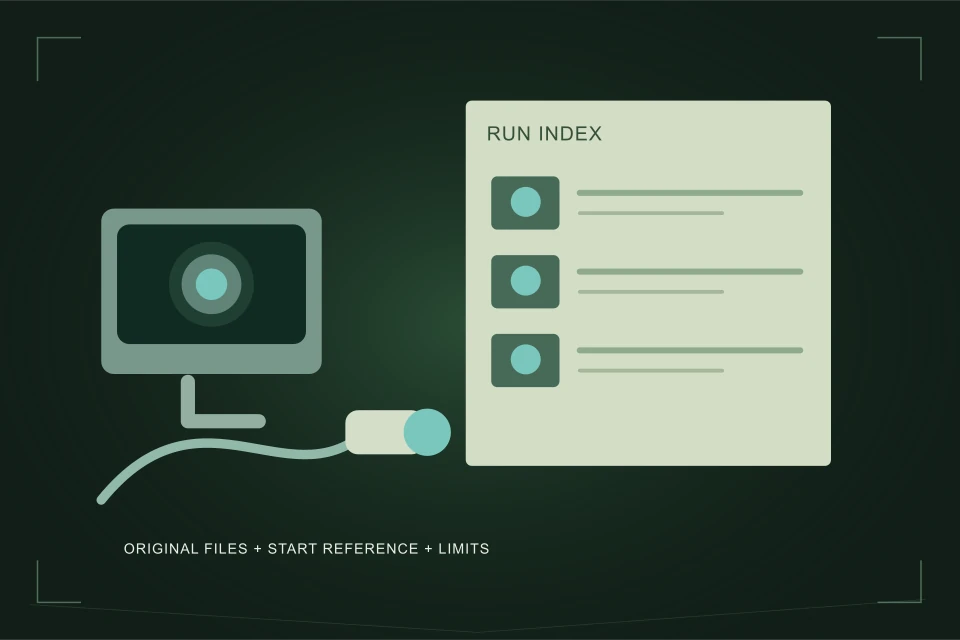
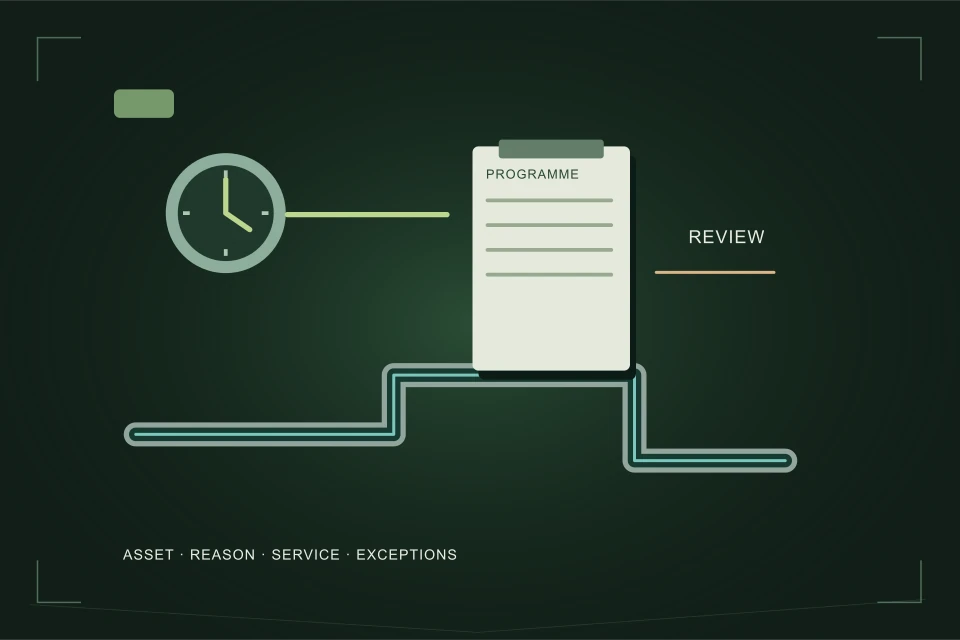
Record the 311 reference and instruction where supplied. Keep the time of the call separate from the first reported symptom and from a contractor confirmed appointment. If flow is restored, track contaminated-space recovery and remaining restrictions separately. The City contact and a private provider can have different scopes, so retain what each actually assessed rather than reducing their responses to a single unsupported cause statement.
02 /What does the City say about the service connection?
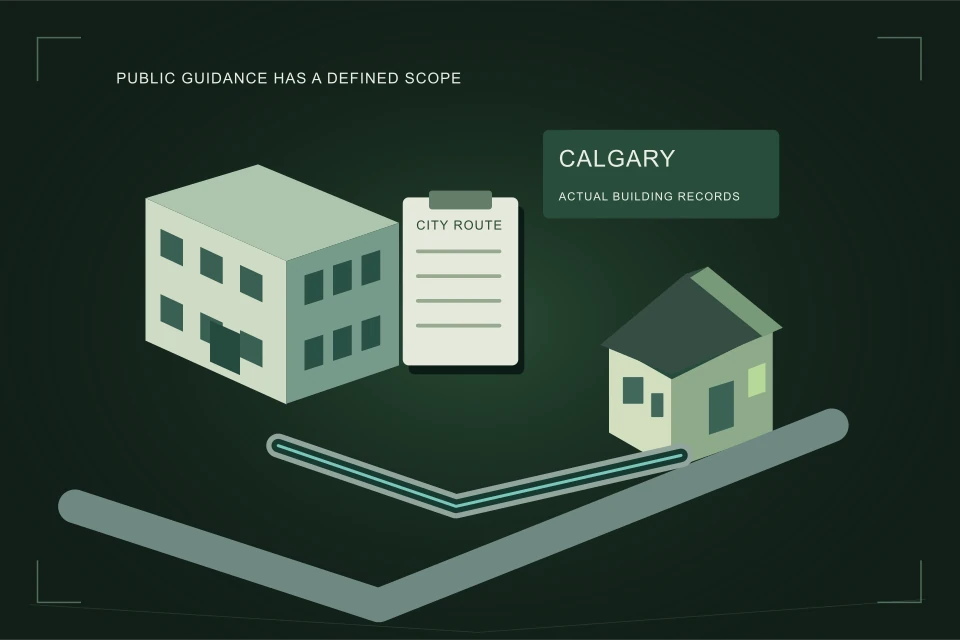
Calgary service-connection guidance describes the owner or builder providing the connection from property line to building at their expense. Public connection arrangements and project approvals must be confirmed for the actual site. In a shared or unusual property arrangement, bring relevant plans and agreements to the discussion. The general boundary is a planning starting point, not a legal determination for every multi-unit configuration.
A building map should show public/private scope questions alongside the actual technical route evidence. Do not use physical pipe location as the only proof of authority. Qualified tracing or camera work can help document a route, while City records and actual property arrangements address different responsibility questions. Keep the unanswered question assigned to the right party rather than asking a drainage provider to settle every legal issue during a callout.
03 /How should trade permits be checked?
Calgary trade guidance identifies plumbing permit requirements such as replacing water or sewer lines, while removing a blockage is an exemption. Confirm the actual project scope with the City and qualified contractor. New or altered building plumbing may need a different route from a routine cleaning visit. The manager should obtain the relevant permit and inspection evidence for the work commissioned instead of assuming a generic service invoice establishes it.
The City homeowner pathway has restrictions, including owner occupancy or intended occupancy; it is not a rental-building shortcut. Apartment condominium plumbing requires a licensed contractor under City guidance. Do not generalise a single-home pathway to a multi-unit or commercial project. Ask who applies, which scope is covered and what inspection/closeout record the project team will supply. This page does not approve a design or tell you that one permit covers every public-side arrangement.
04 /Which City source applies to a food operation?
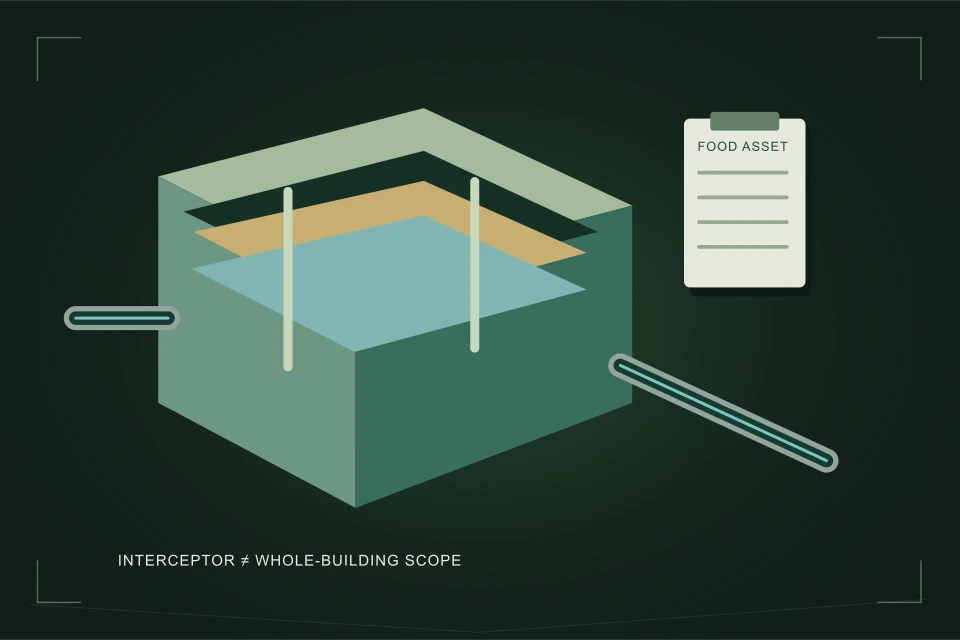
Use Calgary food-service establishment guidance and its interceptor service record for the applicable operation and equipment. The 2026 record describes maintenance every four weeks or more often as needed and maintenance, cleaning and inspection records retained for two years. Verify current requirements with the City and responsible provider. This is a food-service interceptor requirement, not a service schedule for every apartment branch.
Identify the food-business contact, actual asset and downstream scope. Keep interceptor records separate from general sewer invoices while linking them in the building register. A mixed-use backup needs investigation of the actual affected interval rather than an assumption that the kitchen caused it. The manager can coordinate documents, notices and access without substituting a website interpretation for a regulatory or contractor finding.
05 /What are the limits of City residential service data?
The City service-line metadata excludes large commercial and multi-family properties. Do not use a nearby residential entry as the material, route or condition of your building system. The public-side data also cannot certify an existing private interval. Use actual building drawings, previous work evidence and qualified investigation for the property under review. If a data source does not cover the building, say so directly instead of filling the gap with an estimate.
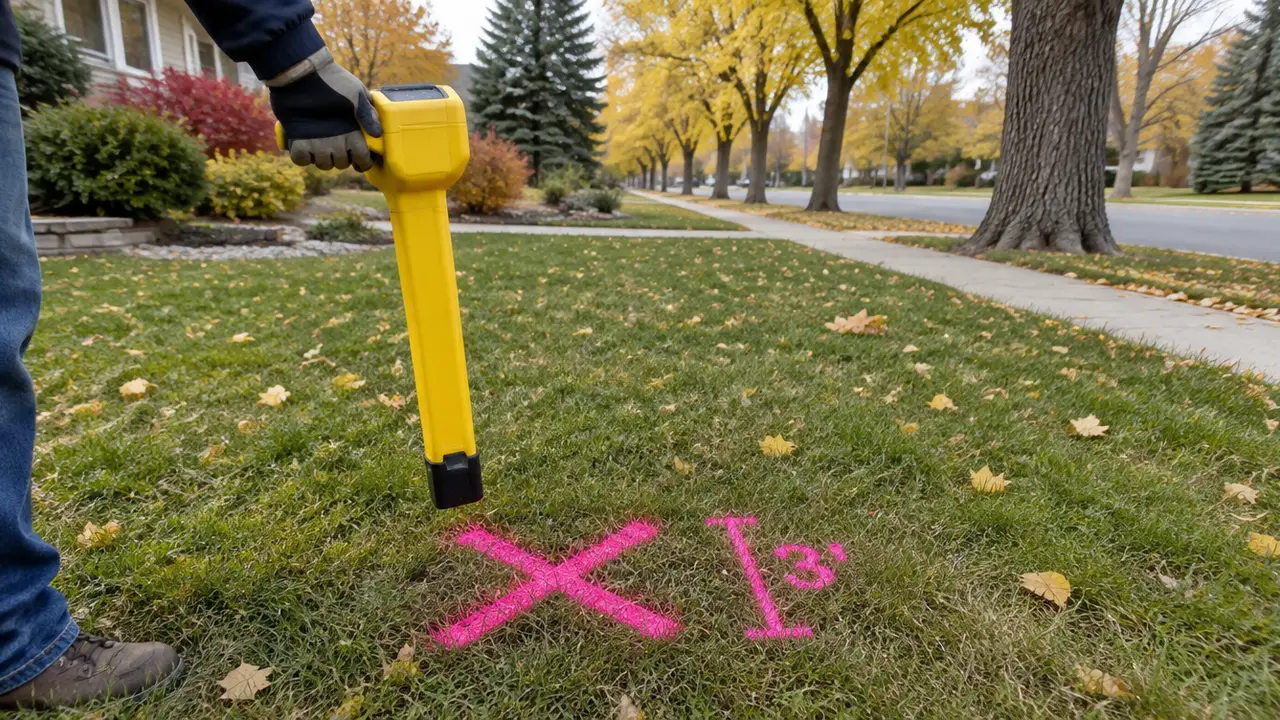
Private facility locating is another separate question. Utility Safety Partners explains the locate-ticket process and the need to consider private facilities; a ticket does not locate every private installation. A building project should have the qualified team confirm the relevant scope and responses before excavation. This page does not turn a camera counter into a utility locate or publish a fixed schedule for an unassessed project. Keep the record and method distinctions clear.
FAQQuestions people ask
Which Calgary number belongs in a building backup log?
Record Calgary 311 for the City sewage backup assessment and the actual reference/instruction where supplied. Keep the building response contacts and provider appointments separately documented. Immediate danger requires emergency services. Calling a number or sending an enquiry does not prove that a particular cause has been found or a visit confirmed.
Does the Calgary local guide decide a condominium cost allocation?
No. It identifies the relevant service and evidence boundaries. Actual property documents, authority arrangements and appropriate advice can be needed to determine responsibility or allocation. A contractor can report technical findings without settling every legal or administrative question. Keep those decisions in their proper records.
Can a manager assume one City residential sewer record covers a commercial building?
No. The City dataset metadata excludes large commercial and multi-family properties. It also is not a private pipe condition report. Obtain the actual building records and appropriate investigation. Avoid inferring a route, material or ownership from a neighbouring entry outside the relevant source coverage.
Are current City charges quoted on this operations page?
No. Confirm applicable fees and project arrangements directly with the City, and obtain current quotations for the actual contractor scope. Publishing a generic price here would hide differences in building access, coverage, recovery and project requirements. This guide helps you identify the questions to ask rather than inventing a total.
SOURCESSources and further reading
- City of Calgary — sewage backups and who to contact
- City of Calgary — water and sewer service connections
- City of Calgary — trade permits and homeowner eligibility
- City of Calgary — food service establishments and interceptors
- City of Calgary — 2026 grease interceptor service record
- City of Calgary — residential service-line dataset metadata and limits
- Utility Safety Partners — homeowner locate overview