This tool turns your operating context into questions, record gaps and a contractor-ready draft. It does not diagnose a pipe, choose a service interval or approve work. An active-incident answer places safety instructions first. The complete brief stays in your browser until you deliberately add it to a request, review the message and submit with consent.
Building Sewer Operations Brief
01 /What does the brief organise?
Choose the decision you are trying to make: investigate a concern, organise an incident handover, review a maintenance programme or receive records after work. Each choice changes the questions in the result. Then identify the building context, whether an active sewage or unsafe condition remains, the access status and the state of your records. Food-service scope and recurrence are separate inputs because they can change the evidence and contacts needed. Use not established when you do not have a supported answer.
The result is a drafting aid. It keeps the entered context visible, lists questions for the actual provider and identifies records or access still needed. It does not calculate a condition rating, a defect probability, a price or a deadline. A confident-looking score would be misleading when the tool has not seen the building, reviewed its documents or assessed the pipe. The value comes from making the unanswered questions easy to discuss with the responsible people.
02 /How are active incidents treated?
Selecting an active sewage or unsafe area produces a prominent safety-first result. Keep occupants away from contaminated water and do not touch electrical equipment near it. Stop contributing water use when safe, contact Calgary 311 and the responsible building response team, and use emergency services for immediate danger. The HAUSE request form is not an emergency dispatch service. A planning result must not be mistaken for confirmation that a responder has accepted or attended the incident.
If the incident status is unknown, the tool asks you to establish it before treating the job as routine. That branch matters because a records review and an active contaminated-space event need different coordination. The brief does not tell staff to open a cleanout, enter a pit, operate equipment or test a blocked line. It asks for the observations and instructions that can be collected safely and leaves physical assessment to the appropriate qualified responders.
03 /How do the other answers change the result?
| Input | Result |
|---|---|
| Investigation goal | Define observed interval, access, recording and limits |
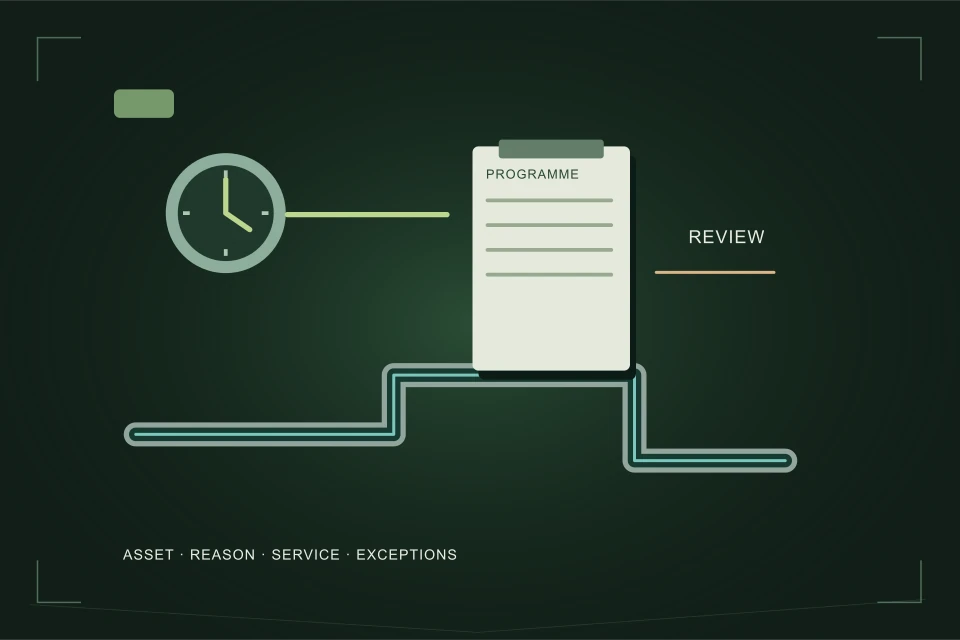
| Maintenance goal | Ask provider for asset-specific scope and review triggers |
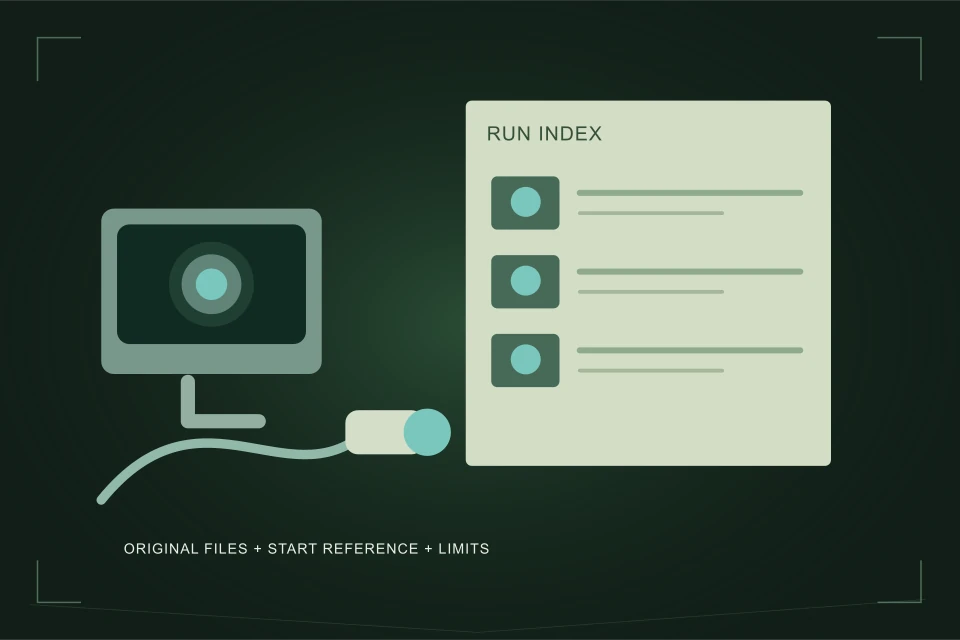
| Partial or missing records | Assemble timeline, original reports and asset references |
| Restricted or unknown access | Arrange authority, rooms and safe clearance |
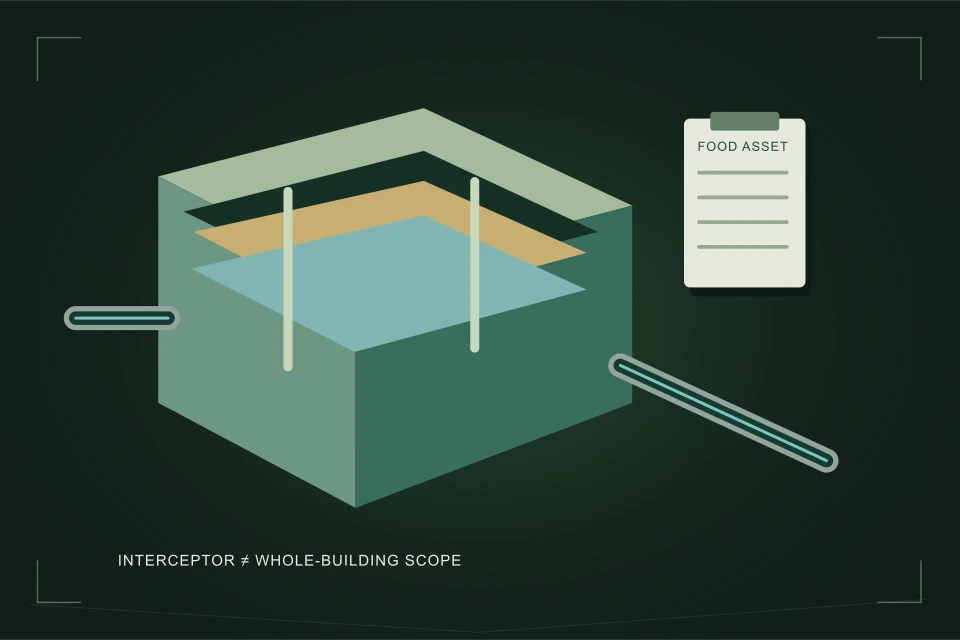
| Food-service asset in scope | Keep interceptor and downstream records separate |
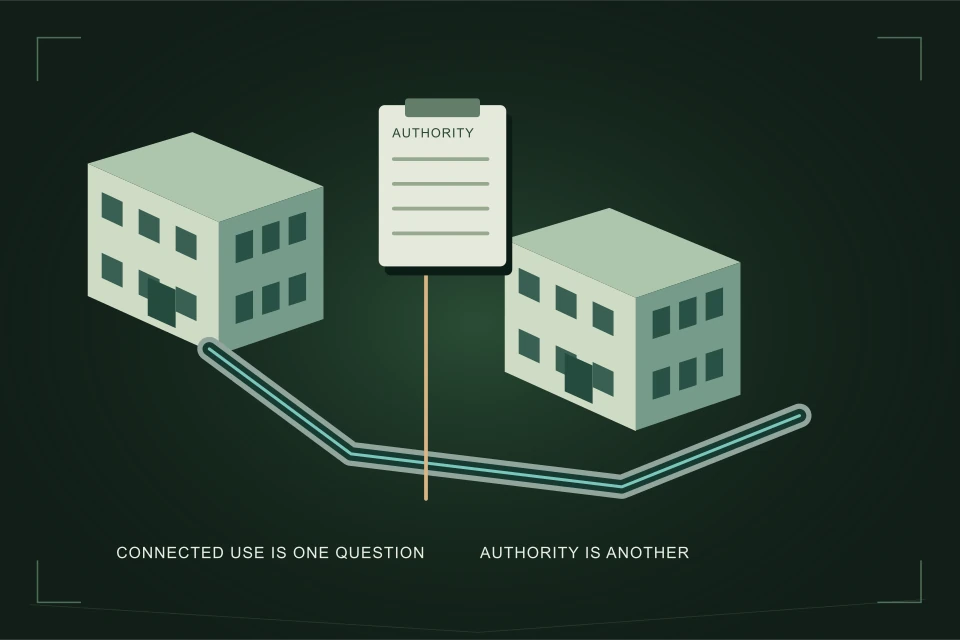
| Recorded recurrence | Compare connected areas and completed work across events |
These are organisation rules, not engineering thresholds. A known access location does not establish safe access; the provider still reviews the actual method. Complete records means you have assembled evidence, not that the tool has verified it. A food-service answer prompts an applicable requirement check rather than automatically assigning a cause. A recurrence answer asks for comparison, not another generic cleaning visit. Read the related guide when you need the reasoning behind a particular question.
04 /What is safe to share in the request?
Use a description of the asset, operational concern and information gaps. Keep resident names, entry codes, keys, detailed access schedules and personal circumstances in the building restricted system. The general brief can say escorted access required without publishing the access code. A provider who accepts the job can receive the necessary information through the authorised building channel. Avoid adding unrelated incident photographs or personal records simply because they are easy to copy.
Select Add brief to a request only when you want to continue. The link fills the message on the request page for your review. It does not send anything and it does not tick the consent box. Edit the wording, add contact details and decide whether to share the request with HAUSE and a responding contractor. Copy brief is an alternative when you want to use the draft in an internal work order instead. Clipboard availability depends on the browser; the complete brief can also be selected manually.
05 /What happens after a submitted request?
The native request needs your explicit contact-and-sharing consent. It preserves entered details if delivery cannot be confirmed, so you can review and retry. A request receipt is different from a provider appointment or a City approval. Do not lift an operating restriction, approve a repair or tell occupants a contractor is booked on the strength of submitting the form. Continue using the building established response and authorisation processes while discussing the actual service arrangements.
For planned work, the next useful step is to agree on the defined scope, safe access, authorising contact and evidence deliverable with the provider. Use the draft as a starting point and revise it when the project facts change. Save the agreed version with the work order. The tool deliberately leaves unknowns visible so the final arrangement can be based on the building evidence, rather than hiding gaps behind a completed planning screen.
FAQQuestions people ask
Does the operations brief diagnose the shared pipe?
No. It organises your selected context into questions and evidence needs. It does not view the pipe, establish a cause, interpret all property documents or approve a method. A qualified provider needs the actual site, access and records for those decisions. Use the brief to make that conversation more specific.
Will adding the building brief send a lead automatically?
No. The handover fills the message on the request page only. Review and edit it, enter your contact details and explicitly consent before sending. No consent or submission happens from creating or copying the brief. You can keep the draft for an internal work order without using the HAUSE request form.
What does the active-incident branch mean for a manager?
It places people and electrical safety before planning and directs you to Calgary 311 and the responsible building response team. Immediate danger requires emergency services. The result and form are not dispatch confirmation. Collect observations safely and follow the actual responder instructions rather than trying to perform drain work from the tool.
Can the operations tool set our maintenance frequency?
No. It asks for an asset-specific provider recommendation and review triggers. Food-service interceptor obligations are separately checked against City guidance. The tool does not apply one interval to every building pipe or claim a calendar will prevent future incidents. Keep the actual recommendation and evidence in your programme record.
NETWORKGo deeper across the HAUSE Sewer network
Jetting grease lines: how to actually remove fats, oils and grease
Jetting grease lines explained: why FOG hardens in drains, why snaking a grease clog fails, nozzle and hot water choices, and keeping the line clear.
PipeCleaning.caWhat drain cleaning is, and what a pipe cleaning service actually does
What is drain cleaning? What a pipe cleaning service does on a visit, whether it counts as plumbing, who can do it, and how to choose a service near you.
SewerInspector.caSewer inspection points and cleanouts: how to find, use or move one
What a sewer inspection point, chamber or cleanout is, how to find yours in a Canadian house, whether you can move or add one, and scoping through a toilet.