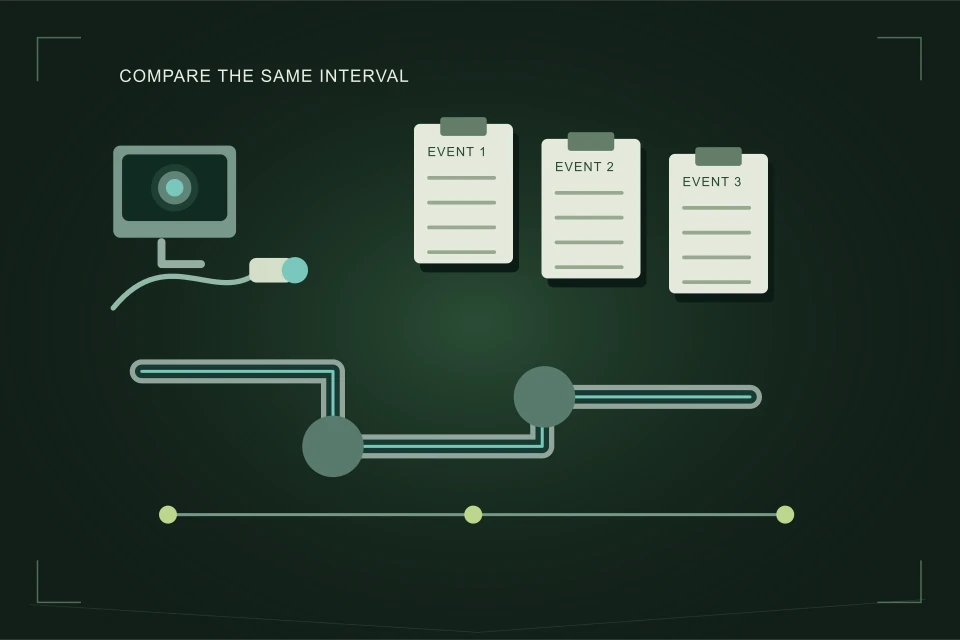
Recurring symptoms should trigger a comparison of evidence, not an automatic repair choice. Align each event with its affected fixtures, accessed section, contractor findings and work completed. Determine whether the same interval was actually observed each time. A clearer investigation brief can distinguish an incomplete cleaning, unresolved defect, changed use or a different source without assuming the answer.
- How do you establish whether the events are comparable
- What should be extracted from previous invoices
- How should recorded findings be compared
- What should the next investigation brief ask
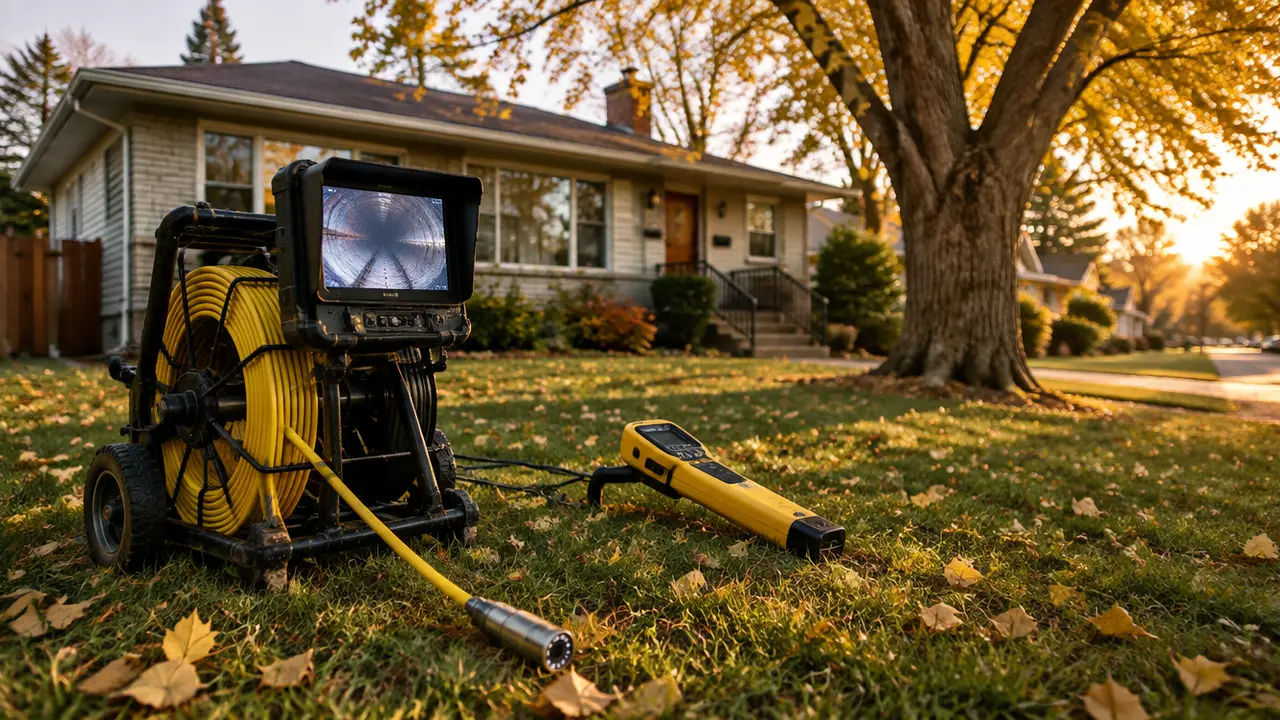
01 /How do you establish whether the events are comparable?
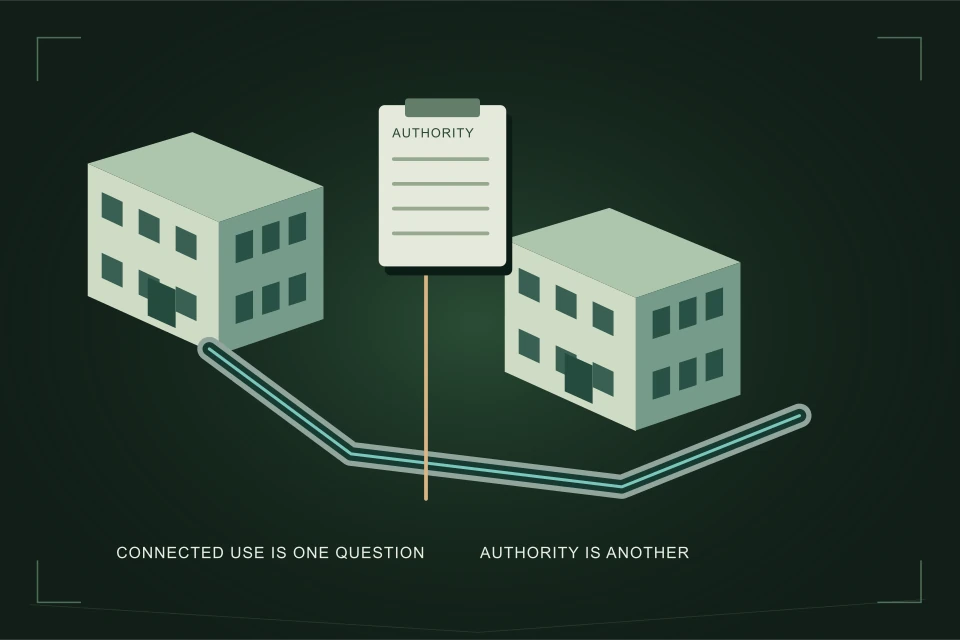
Place each event on one timeline with the first report, affected spaces and work order. A shared label such as basement backup is not enough to show the same cause. Note which fixtures were involved, whether other floors or buildings had symptoms, and what the provider actually inspected. Keep a reported event separate from a verified obstruction or recorded structural finding. Different contractors may use different asset names; reconcile those names against the building map before comparing their conclusions.
Include changes in use or building configuration between events. A renovation, business tenancy or revised access arrangement can affect what a provider sees and how work is performed. Do not treat a new pattern as proof that a particular occupant caused it. The useful question is whether the system, users, inspected route or work scope changed. Collect relevant records through the building ordinary process and avoid unnecessary personal detail. A timeline should organise the investigation, not become a blame ledger.
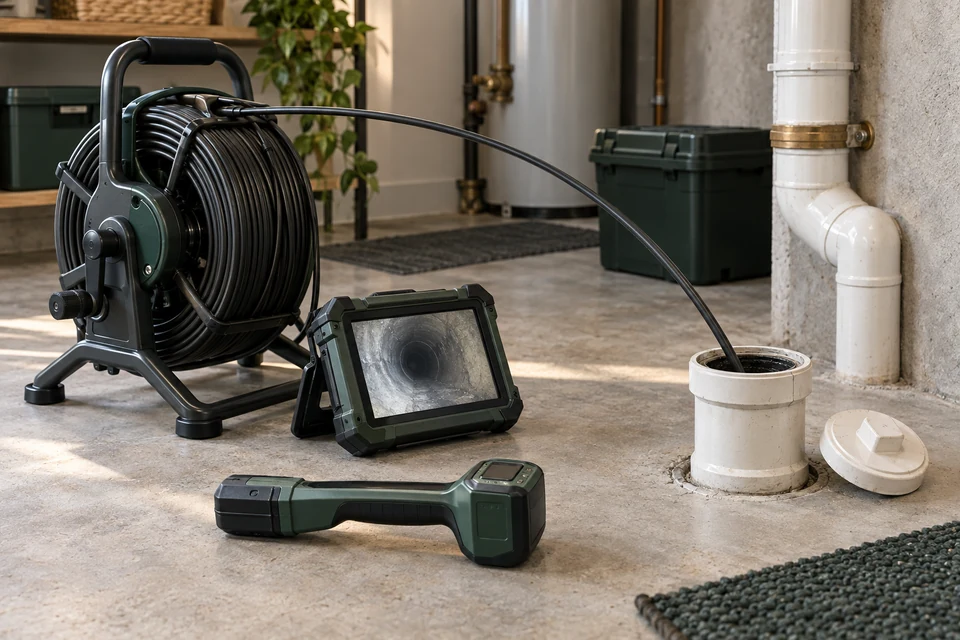
02 /What should be extracted from previous invoices?
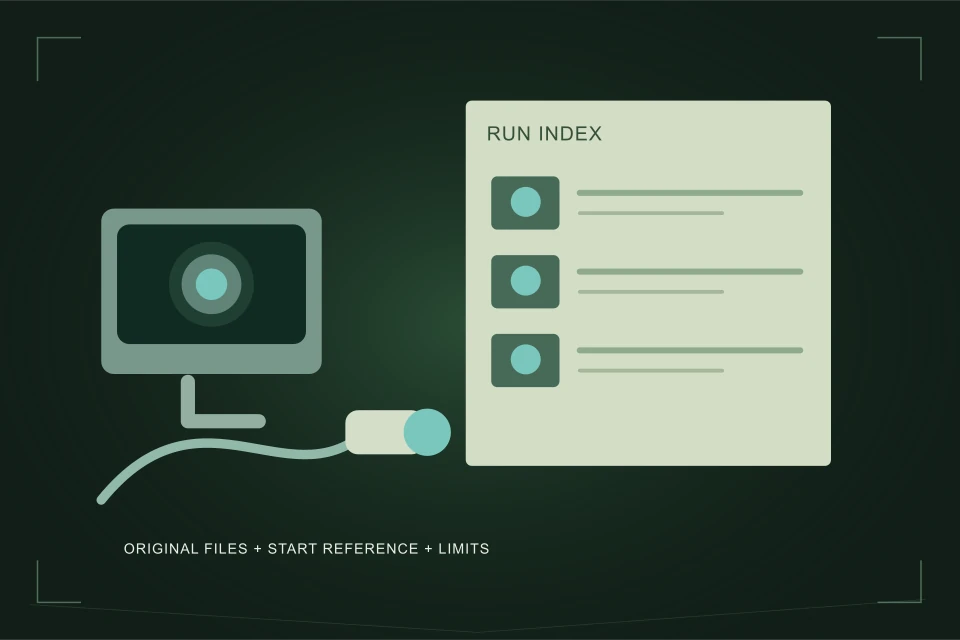
Read the scope rather than only the price and the word cleared. Record the access point, equipment or method described, inspected length where documented, material removed and any next recommendation. If the invoice does not state whether footage was saved, ask for the separate report or recording. A successful restoration of flow may answer the immediate callout while leaving the underlying condition unknown. That is a limitation to record, not a reason to assume the contractor failed.
Separate completed actions from proposed actions. A recommendation to inspect after cleaning is not evidence that the inspection occurred. Likewise, a maintenance suggestion is not a confirmed building maintenance programme. Add the dates of actual subsequent work and retain the original documents. If the meaning of an invoice line is unclear, ask the issuing provider for clarification. Avoid translating a broad term into a precise defect diagnosis that never appeared in their finding.
03 /How should recorded findings be compared?
Compare the same pipe interval from an identified start point and direction. Review the footage availability, distance reference and limitations such as dirty water, an impassable bend or restricted access. A report may identify roots at one visible joint while another report describes a different section. Those findings cannot simply be added into a claim that the entire building line is failing. Locate references and an asset map help establish whether the observations concern the same run.
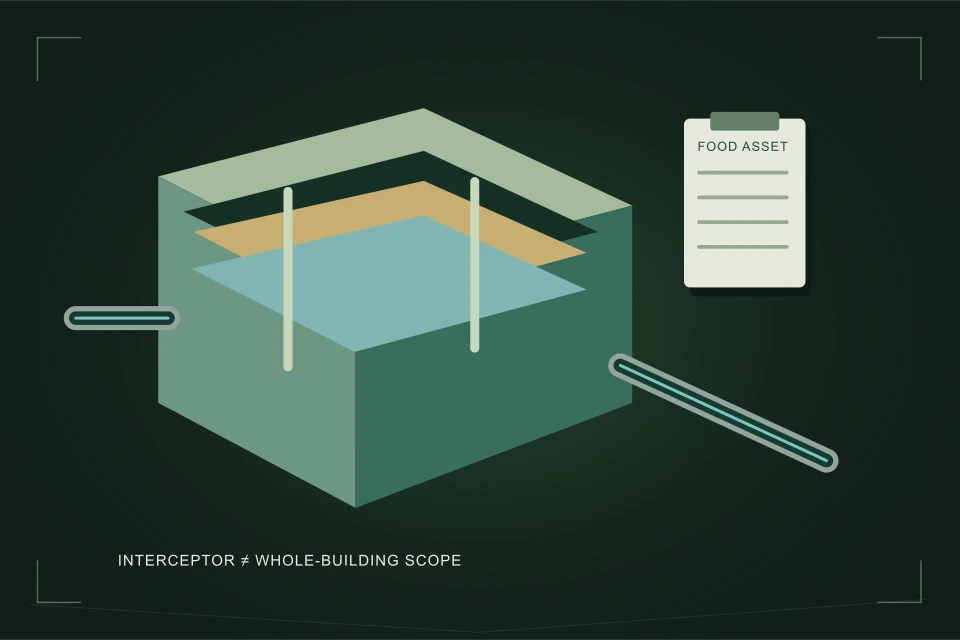
A qualified provider should interpret defects and their practical significance. Ask them to distinguish an obstruction, a joint issue, visible standing water and an unobserved interval. Do not infer a surveyed slope from a short camera clip or treat every water image as proof of a permanent belly. The contractor may need additional observation, cleaning, locating or other investigation. Preserve the uncertainty because it controls whether a proposed repair is supported and what question the next visit must answer.
04 /What should the next investigation brief ask?
State the operational problem and the decision you need to make. For example, the building needs to understand why a specified connected area has had repeated callouts after a documented cleaning scope. Give the provider the timeline, previous findings and known access points. Ask which hypotheses the visit can assess, what method is proposed and what sections cannot be covered. A brief that asks for evidence about a named interval is more useful than simply ordering another generic drain clean.
Agree on the deliverable before commissioning the visit. It may include a recording, indexed observations, a marked locate or an explanation of why the planned coverage was not achieved. If intervention is proposed during the investigation, confirm the authorisation boundary and how changed scope will be handled. A contractor should not have to infer approval for a major repair from a request to investigate a recurrence. The manager can then compare recommendations with the evidence produced.
| Question | Record needed |
|---|---|
| Same connected area? | Fixture and suite reports by event |
| Same inspected interval? | Start point, direction and distance reference |
| Same completed scope? | Cleaning or repair invoices and reports |
| What was unseen? | Access and recording limitations |
| What decision follows? | Focused investigation or priced alternative scope |
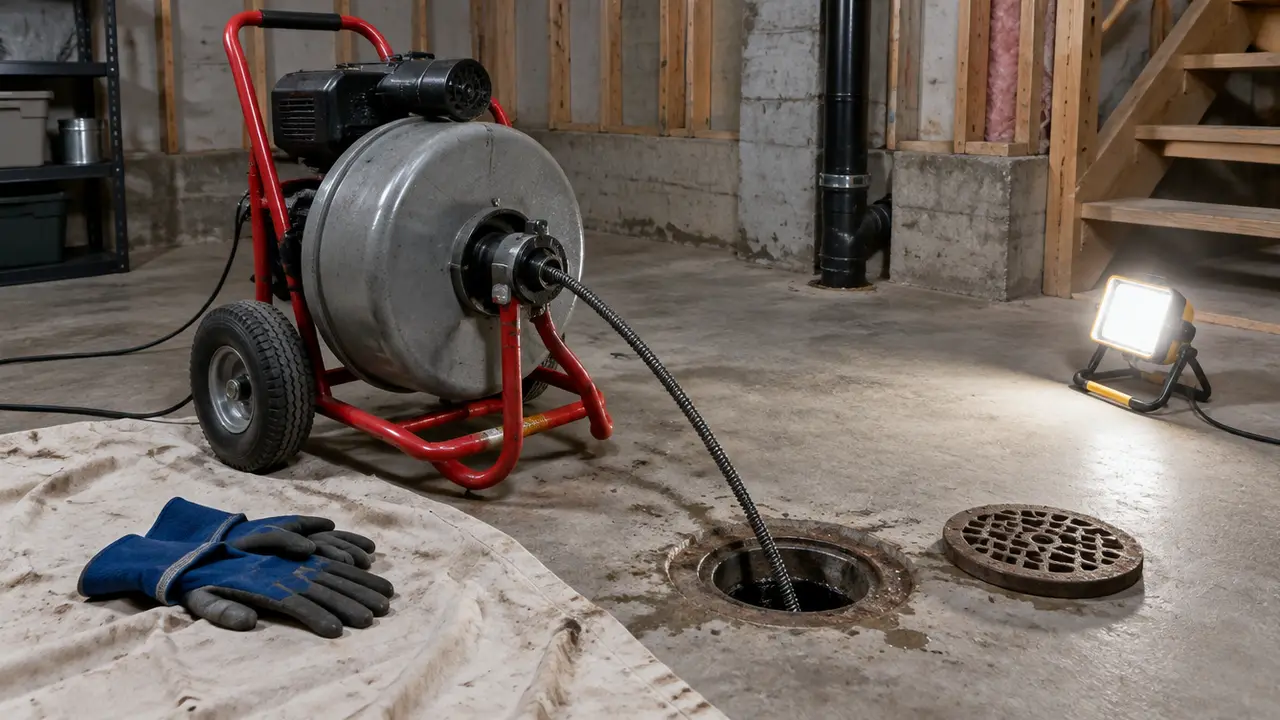
05 /How does a recurrence become a maintenance decision?
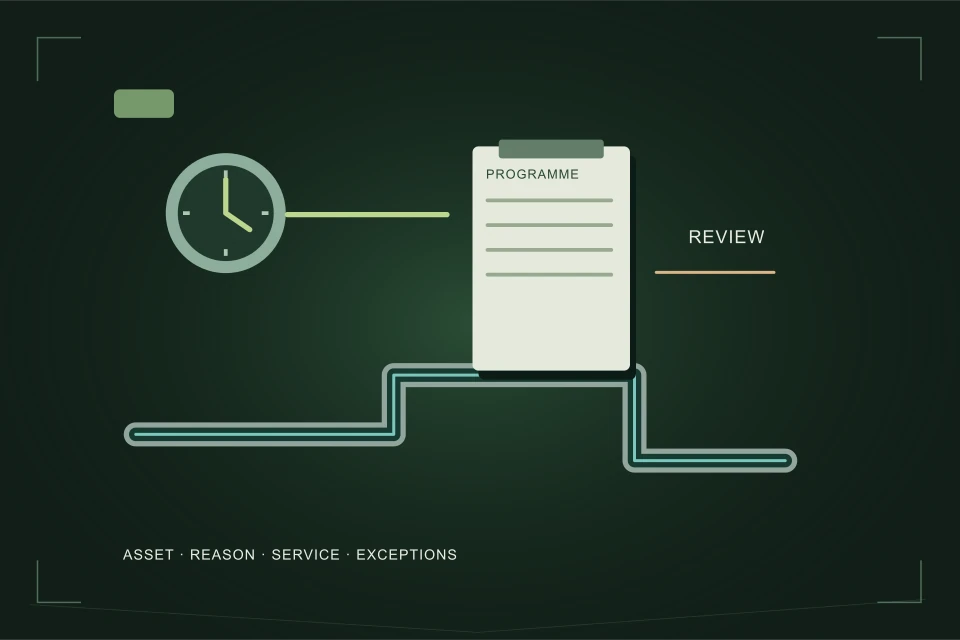
Once the cause or contributing condition is supported, discuss an appropriate operational plan with the provider. That might involve a revised cleaning method, a targeted repair assessment, changed access or a review of user practices. A calendar alone cannot fix a structural issue, and a single symptom-free month does not establish that a programme has worked. Define what evidence the building will collect, what event prompts reassessment and who reviews the contractor reports.
Use maintenance history to distinguish planned work from reactive callouts. Track what was done to the named asset and the outcome described by the provider. Do not publish a predicted failure rate or claim that a programme prevents every backup. The purpose is to make the next decision better informed. The building maintenance programme guide explains how to keep inspection, servicing, exceptions and review in one record without promising a universal service interval.
06 /Example: repeated lower-floor complaints
A manager has three invoices that each say main drain cleared. The associated reports show that two visits used the same basement access but the third used a different branch. Only one saved recording is available, and it did not reach the outdoor interval. The evidence supports a recurring operational concern, but not a complete diagnosis of the outdoor pipe. The next brief asks a provider to establish the relevant route and review the unobserved section where feasible.
If the investigation later supports a particular defect, the manager can request priced options tied to that recorded location. If it identifies a different connected branch or operational issue, the maintenance register is revised accordingly. Either finding is more useful than spending on a repair chosen from the repetition of a vague invoice label. Keep the original timeline and the new evidence together so future staff understand why the plan changed.
07 /A useful commissioning check
A useful review meeting starts with the evidence comparison sheet, not with a preferred repair. Ask each participant to identify which original record supports their statement about the repeated issue. If the asset or observed interval differs, record that difference before discussing method. Assign missing footage, unclear invoice wording and unverified routes as concrete follow-up tasks. The next investigation should answer the most decision-relevant gap. Keep the meeting decision linked to its supporting records so a future manager understands why the building chose that scope instead of simply inheriting a renewal or repair recommendation.
FAQQuestions people ask
Does a second building backup prove the first clean was incomplete?
No. The new event could involve the same or a different section, a structural condition, changed use or other circumstances. Review what the first job actually covered and compare the connected areas and recorded findings. Ask a qualified provider to investigate the relevant evidence. Avoid assigning failure to a previous contractor from the recurrence alone.
Can we choose lining from a recurring-event log?
A log can show why further investigation is warranted, but it cannot establish lining suitability. A provider needs evidence about the host pipe, continuity, access, defects and other site conditions. Ask for the method recommendation and limitations tied to the observed section. A liner follows the existing route; it is not a general answer to every repeated symptom.
Should the manager remove a conflicting old contractor report?
Retain it and identify the conflict. A later assessment may cover a different interval or use better evidence. Preserve the original files and ask the relevant providers to explain the discrepancy. A record of how the understanding changed is more useful than a neat file that hides earlier uncertainty.
What counts as a completed follow-up inspection?
There should be a dated deliverable describing the observed interval, access, findings and limitations. An invoice recommending a future camera visit is not proof it happened. Match the actual report or recording to the work order and asset before treating the follow-up as complete. Record any coverage that remained unavailable.
NETWORKGo deeper across the HAUSE Sewer network
Sewer Maintenance Planner
Sewer Maintenance Planner: a suggested cleaning and camera inspection interval plus a 12-month checklist based on your house, pipes, trees and history.
SewerInspector.caInspecting the sewer after a backup: finding out why it happened
Why a sewer camera inspection after a backup matters: private vs municipal causes, timing, what to record for insurance, and how to stop it happening again.
PipeCleaning.caWhat drain cleaning is, and what a pipe cleaning service actually does
What is drain cleaning? What a pipe cleaning service does on a visit, whether it counts as plumbing, who can do it, and how to choose a service near you.