Keep the building moving. Keep the evidence clear.
A sewer operations desk for Calgary property managers. Map the assets, organise access and turn the next contractor visit into a usable handover.
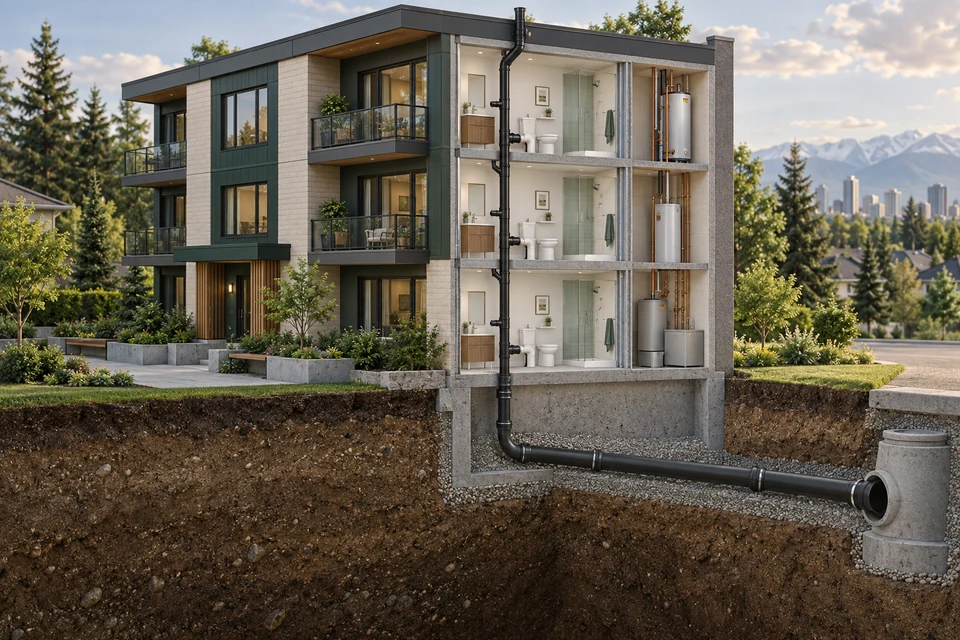
CalgarySewer.com helps building teams organise sewer operations: shared drainage records, incident response, resident access, camera evidence, maintenance and closeout. It is an independent HAUSE information and service-request portal, not a contractor. The tools prepare questions and editable briefs from your context; actual findings, design, responsibility and work approval need the appropriate professionals and records.
What does the building team need next?
Pick the closest match. Each path goes to the guide that answers it in full.
Building Sewer Operations Brief
This tool turns your operating context into questions, record gaps and a contractor-ready draft. It does not diagnose a pipe, choose a service interval or approve work. An active-incident answer places safety instructions first. The complete brief stays in your browser until you deliberately add it to a request, review the message and submit with consent.
Building Sewer Operations Brief
Give the next building visit a clear scope
Useful inspection records and authorised access help the building team turn a contractor visit into an accountable handover.
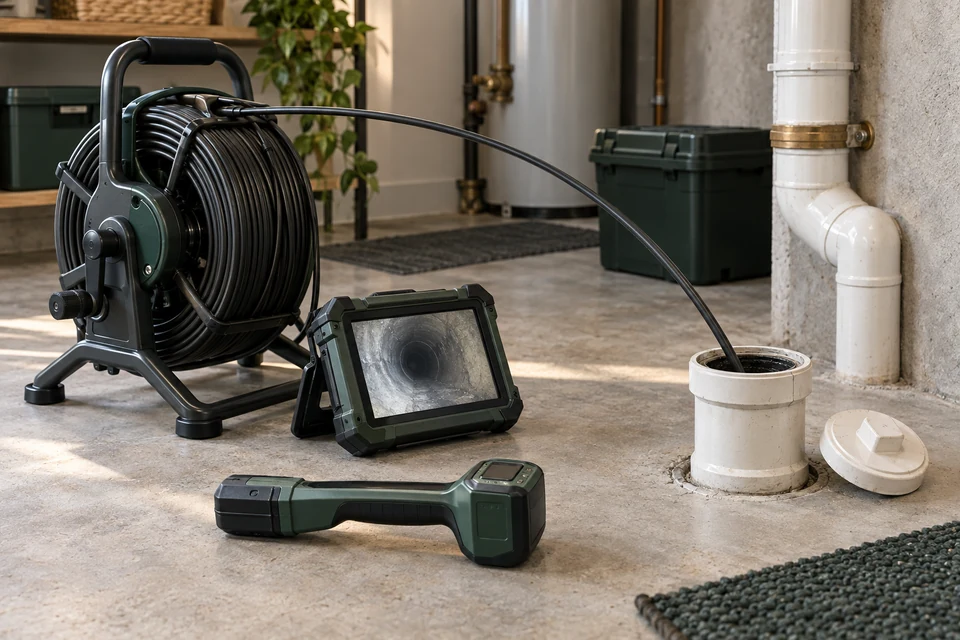
Ask for evidence another provider can use
Define the start reference, inspected interval, original recording files and any unobserved sections.
Read the guide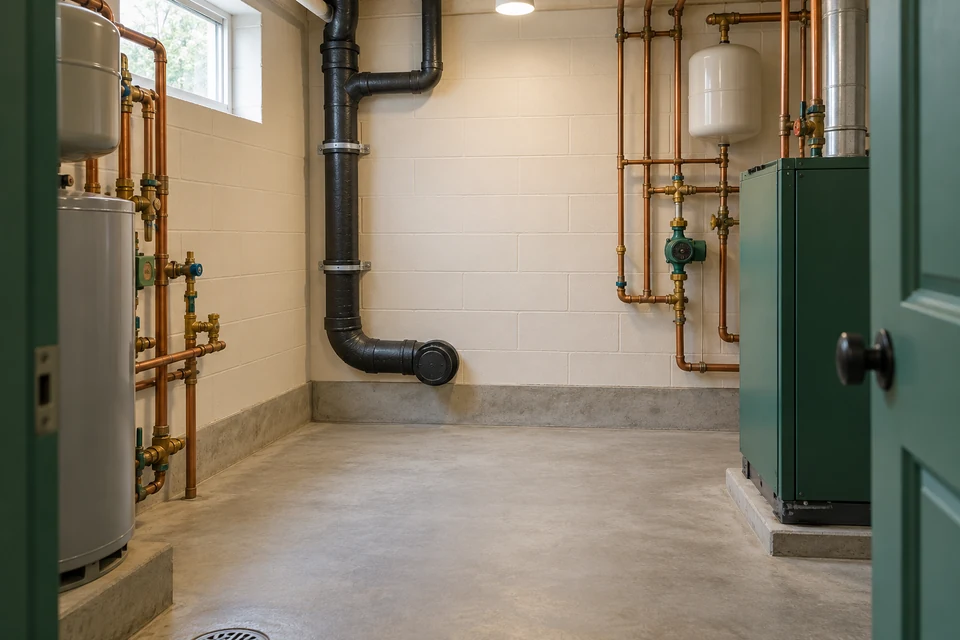
Arrange access before the equipment arrives
Identify the rooms, authorising contact, resident notice and operating restrictions that affect this scope.
Read the guideRead these first
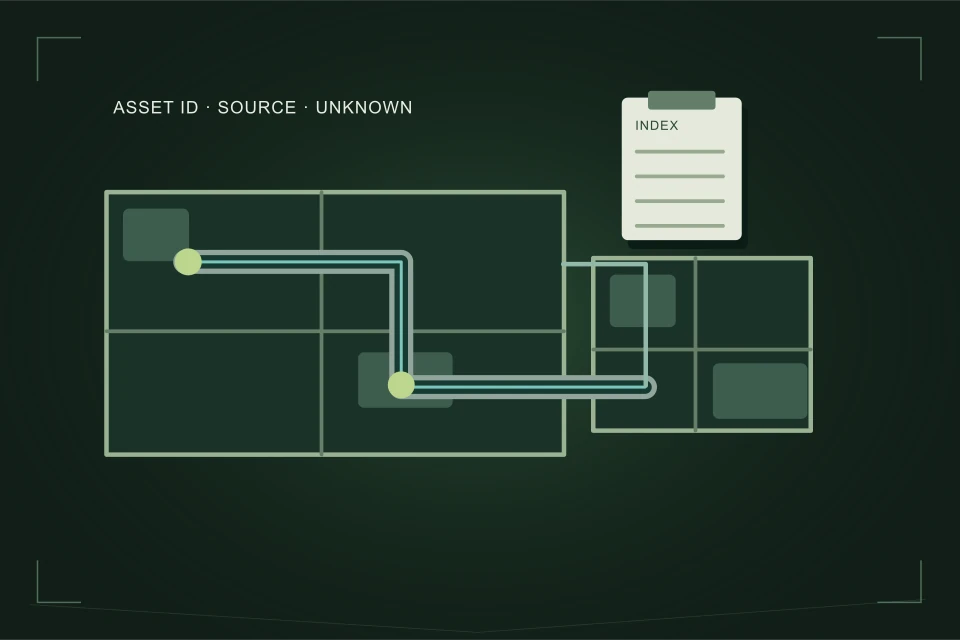
Know what is connected
A map that identifies sources and unknown routes before the next callout.

Ask for evidence you can use
An inspection scope and handover that another provider can understand.
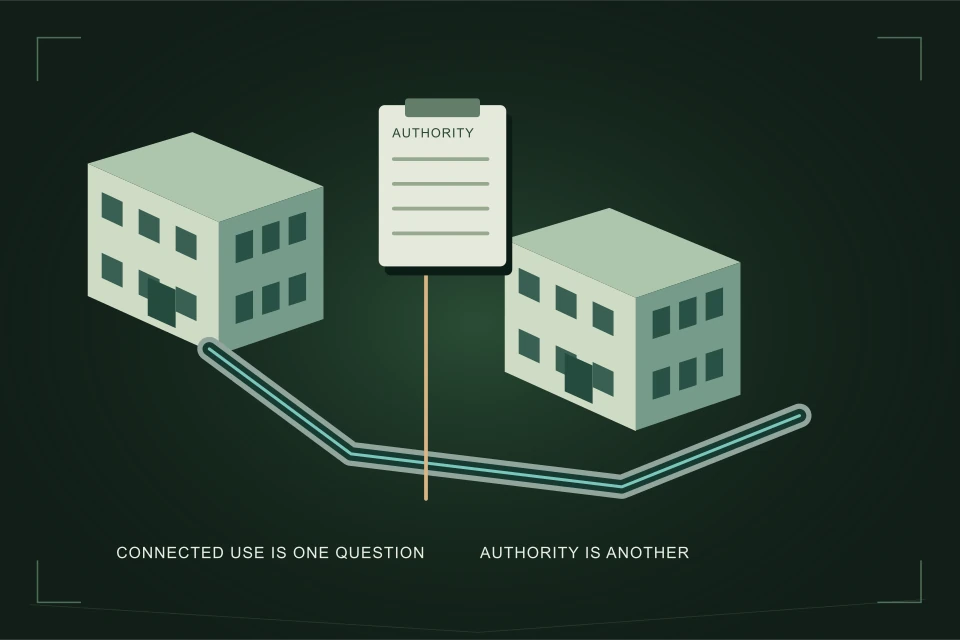
Make authority explicit
Access, shared use and work approval are different questions.
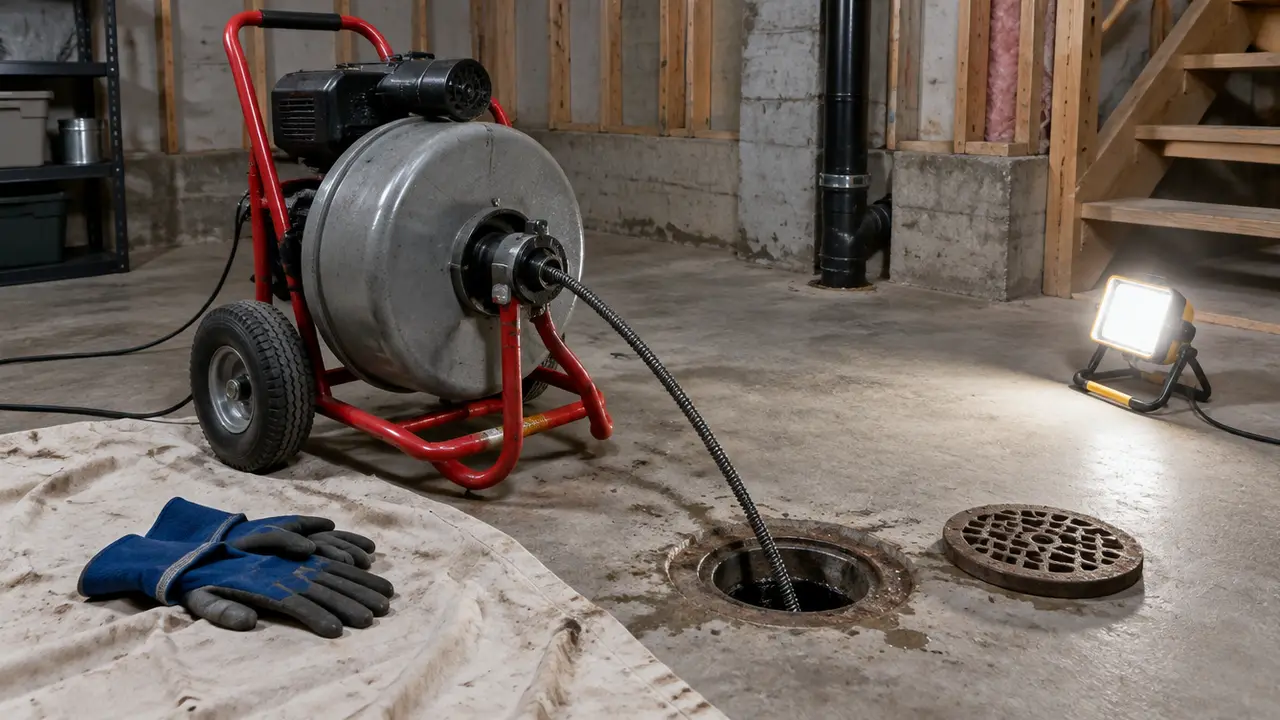
What it looks like down there
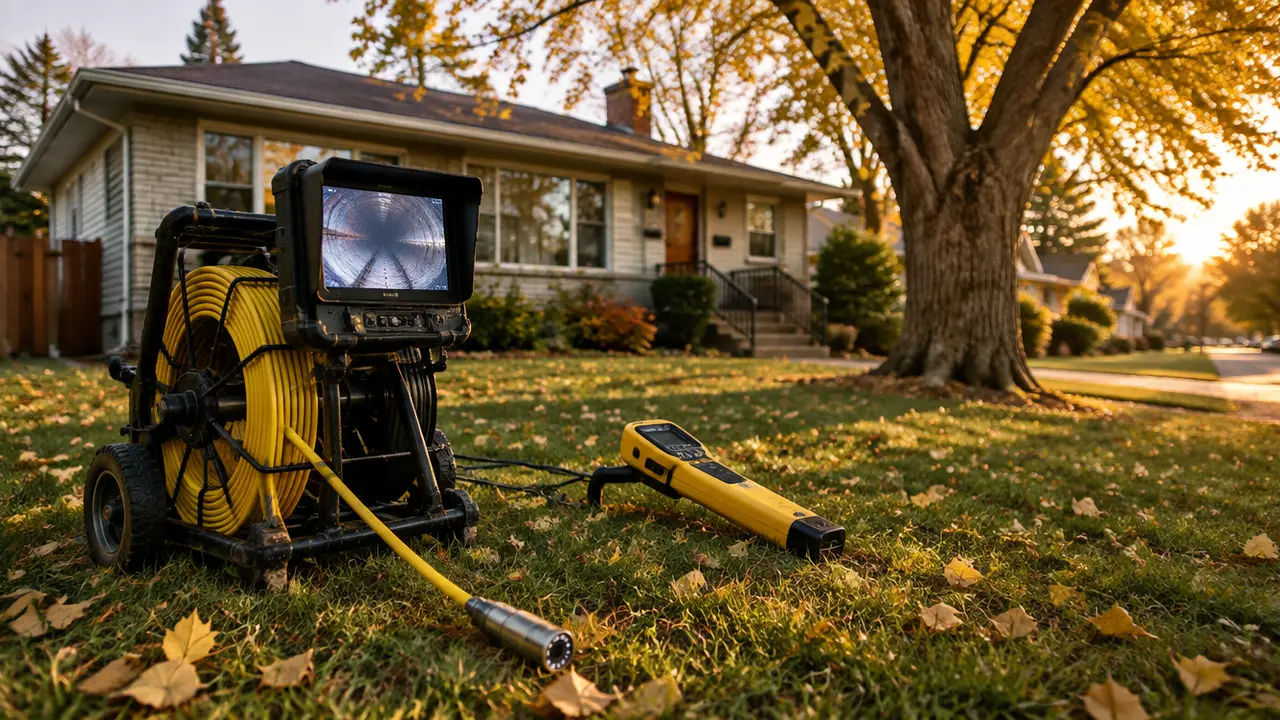
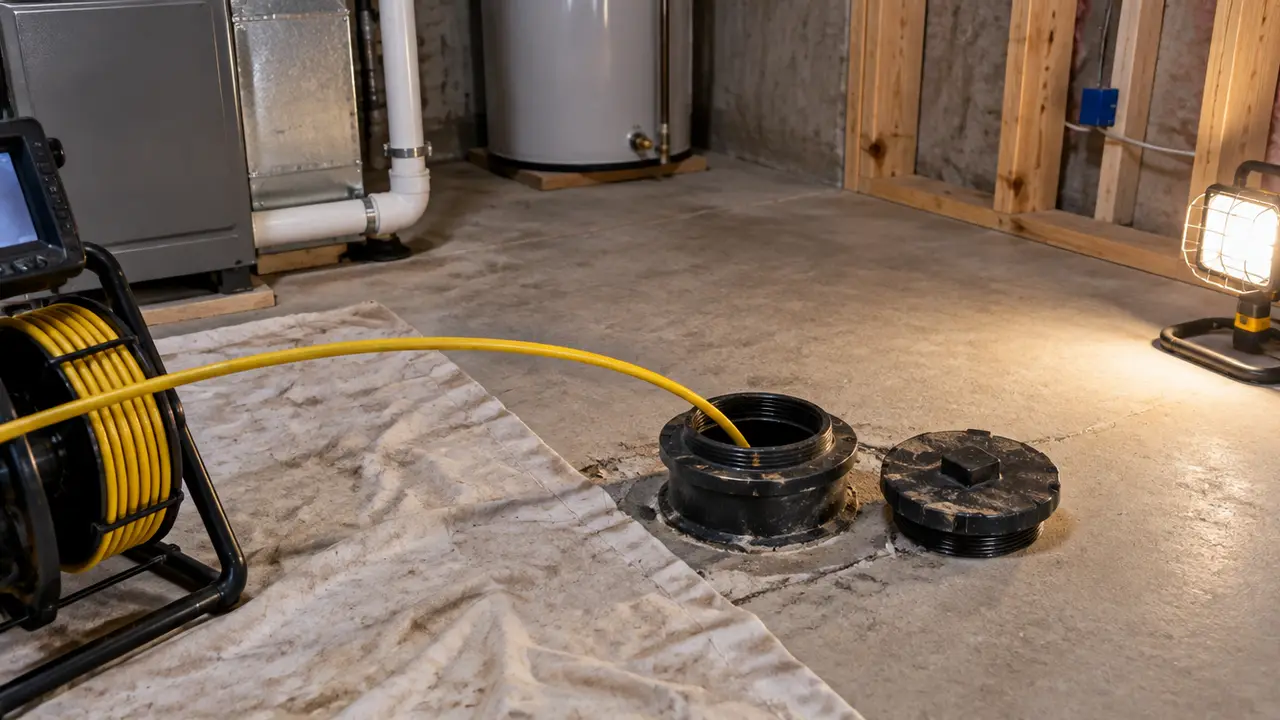
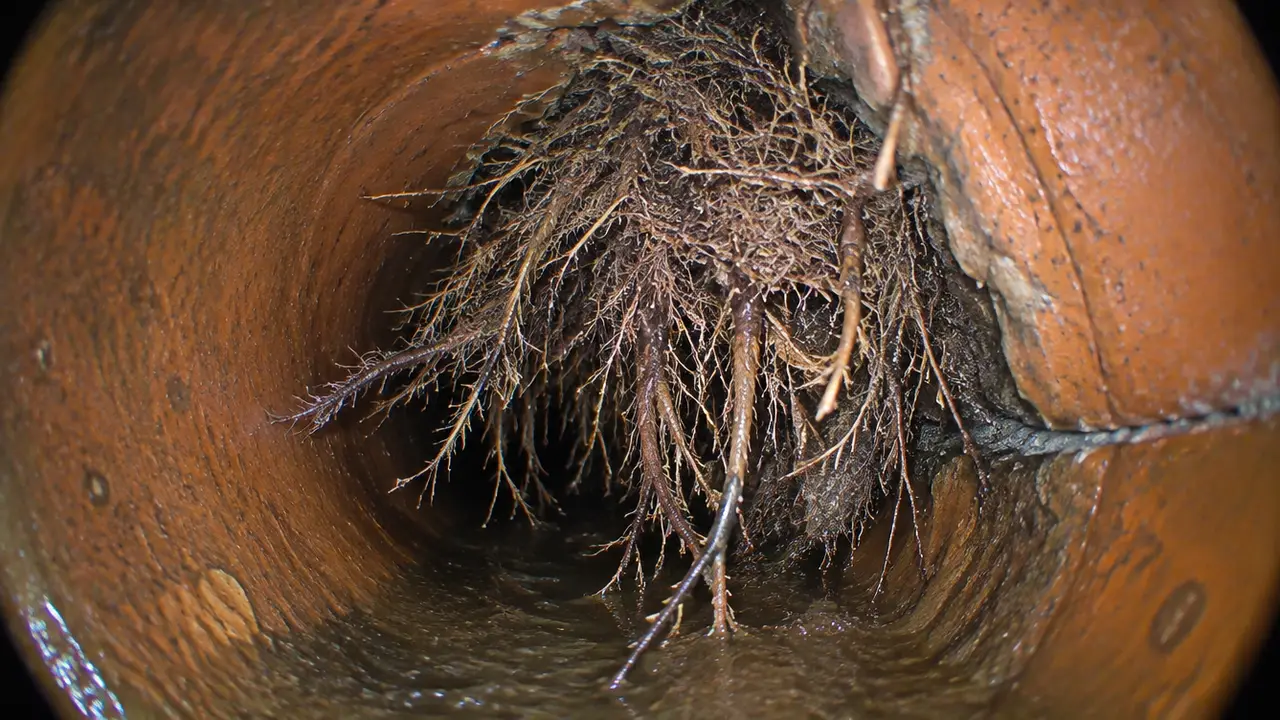
Illustrations of what this work involves and what a camera or a trained eye picks up. Every guide on CalgarySewer.com carries more like these.
01 /Start with the building decision
A building sewer problem rarely arrives as a tidy technical question. A resident reports a symptom, a caretaker finds an inaccessible room, or a manager inherits several invoices that describe different work as main drain cleaning. The first useful step is to organise what is known: affected spaces, named assets, actual records and the person who can authorise the next action. That organisation helps a qualified provider investigate a specific concern rather than repeating an unclear service request.
Choose the decision before choosing the method. Are you responding to an active incident, comparing recurring events, planning a camera visit or reviewing a programme? Each needs different evidence and coordination. A restored flow, an inspected interval, a repaired location and a recovered contaminated space are distinct outcomes. Keep those scopes separate in the work file so the building team can see which task is completed and which question remains open.
02 /Build a record the next person can understand
Give each relevant asset a plain name and keep the source beside its route. Original drawings, renovation notes, invoices and camera recordings all contribute different information. An operating map can be useful while parts remain unverified, provided that uncertainty is visible. Retain original documents, add clear cross-references and record revisions. A polished drawing without its source, date or limitations can be less useful than a simple plan that accurately states what is still unknown.
A contractor handover should make the observed interval easy to identify. Ask for the start point and direction, original files, referenced findings and coverage limits. Preserve a recommendation as a recommendation until the follow-up actually occurs. Compare like sections when reviewing recurring symptoms, especially if access points or building configuration changed. A file should support a future qualified assessment, not require someone to remember the informal conversation that happened beside the contractor van.
03 /Protect people and coordinate access
During an active sewage incident, safety outranks paperwork. Keep occupants away from contaminated water and wet electrical equipment, stop contributing water use when safe and contact Calgary 311 and the responsible building response team. Immediate danger requires emergency services. This website and its request form are not emergency dispatch. A manager can record observations from a safe location while the appropriate responders assess the incident; staff should not open a sewage line or enter a hazardous space to make the log more complete.
For planned work, ask the provider to confirm access points, required clearance, connected-user instructions and the actual visit window. Use the building established process for entry and notices. Keep resident contact details, keys and security information in restricted records. A clear service notice states what is confirmed, where it applies and how restrictions will be released. It does not promise a duration, legal entry permission or pipe finding that nobody has established.
04 /Keep specialised assets and authority clear
A food-service interceptor, kitchen branch and shared downstream run are connected but need separate records. Calgary food-service requirements apply to the actual operation and equipment; they are not a generic monthly maintenance rule for every apartment drain. Likewise, shared use does not automatically determine legal ownership or equal cost allocation. Ask the relevant City, property and qualified-provider questions without forcing one record to answer all of them. Technical route evidence and work authority belong together, but they are not interchangeable.
The City residential service dataset excludes large commercial and multi-family properties. Do not use a nearby entry to declare your building pipe material or condition. Start with actual plans and reports, and identify the missing evidence. When a renovation changes drainage or access, obtain the relevant closeout and revise the register. The new arrangement should not disappear behind a final invoice while the next provider continues to work from an outdated drawing.
05 /Turn the context into a brief you can review
The Building Sewer Operations Brief asks about your goal, incident status, access, records, food-service scope and recurrence. Its rules produce practical questions and a record checklist, not a score, price or diagnosis. Unknown answers stay visible. You can copy the draft for an internal work order or deliberately add it to a HAUSE request message. The handover never sends automatically or grants consent. Review the wording and share only the project information needed for the enquiry.
For a request, add your contact details and explicit consent so HAUSE and a responding provider can discuss the job. A request receipt does not mean a contractor appointment, work approval or City confirmation. Continue the building established response and authorisation processes while arranging the actual service. This portal is useful when it makes the next conversation specific: the named asset, safe access, available evidence, work boundary and decision the building needs to make.
06 /Make the next action visible
Give every unresolved item a responsible contact and a concrete next decision. Missing footage, uncertain entry authority and an unfinished recovery assessment are different tasks; a single complete checkbox cannot represent them honestly. Keep the current restriction and confirmed appointment at the front of the operating file, with supporting records behind them. After the visit, review the actual handover against the authorised scope and update the asset register. This is how the building carries knowledge between staff and providers without relying on memory or pretending a partial observation covered the entire system.
Every guide on CalgarySewer.com
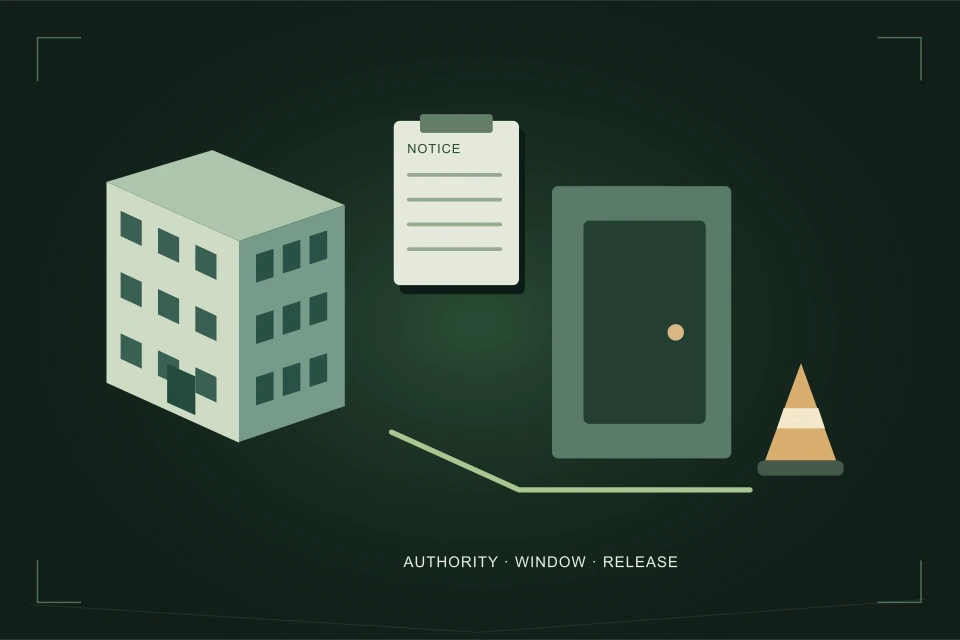
Plan resident access for building drain work
Organise resident access for Calgary building drain work: appointment boundaries, connected water-use notices, privacy, clearances and contractor closeout.
Clarify shared-line responsibility before authorising work
Organise Calgary shared sewer responsibility questions using asset boundaries, actual property documents, City contacts, work authority and clear scope records.
Map a building drain system before the next callout
Build a useful Calgary building drain register: stacks, branches, cleanouts, private laterals, access points and evidence gaps for the next contractor.
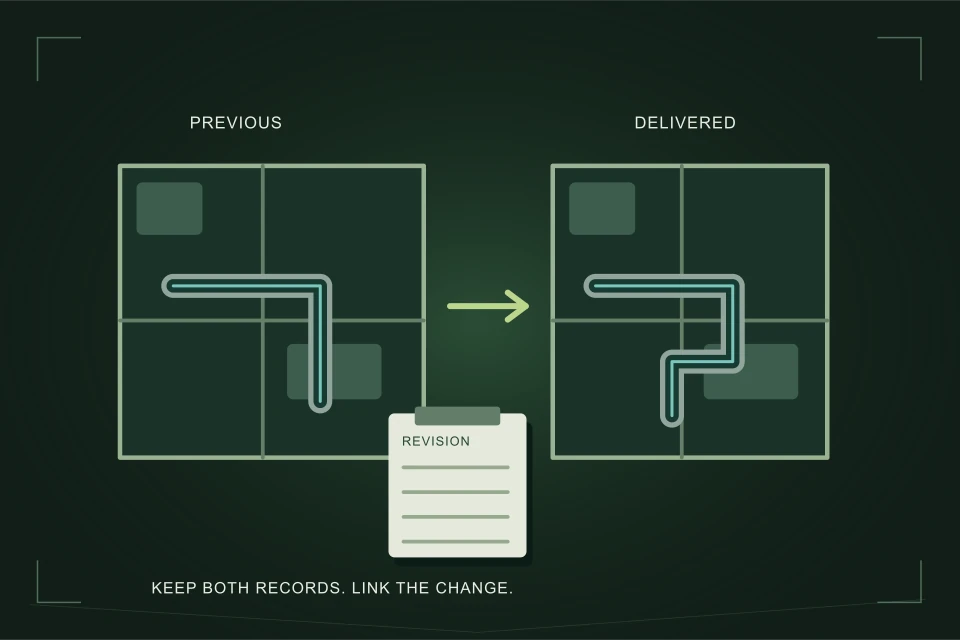
Receive drain records after a building renovation
Keep a Calgary building renovation sewer handover usable: revised routes, trade permits, inspection evidence, access changes, recordings and maintenance updates.
Specify a useful building sewer camera handover
Ask for a building sewer camera handover that supports decisions: defined start points, footage files, finding references, coverage limits and readable closeout.

Investigate recurring building backups with evidence
Compare recurring Calgary building backups using asset references, event timelines, cleaning records, camera limitations and a focused investigation brief.
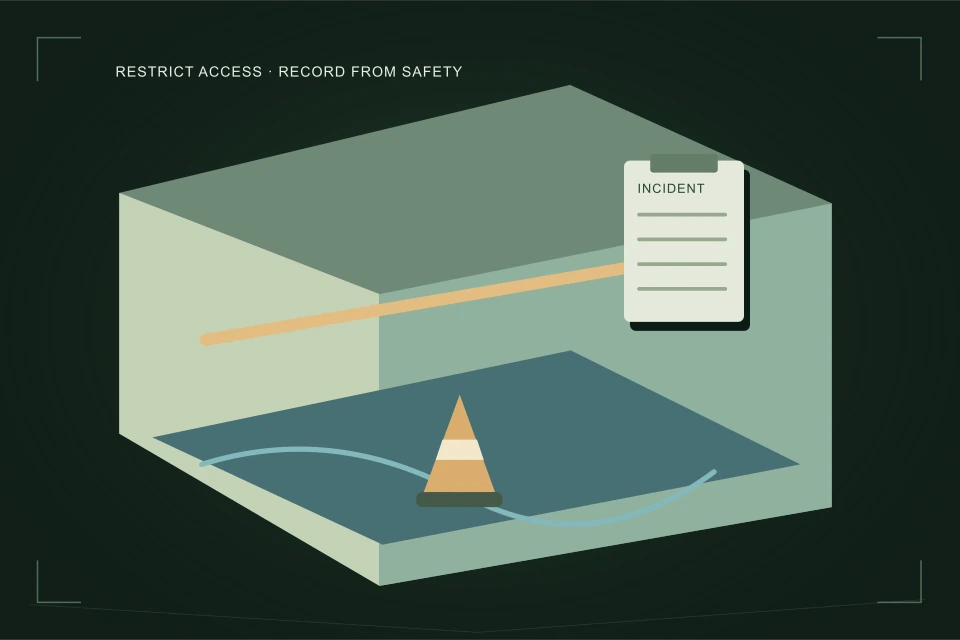
Record a building sewage incident without adding risk
Document a Calgary building sewage incident safely: affected areas, timing, water use, City contact, contractor findings, insurer questions and handover.
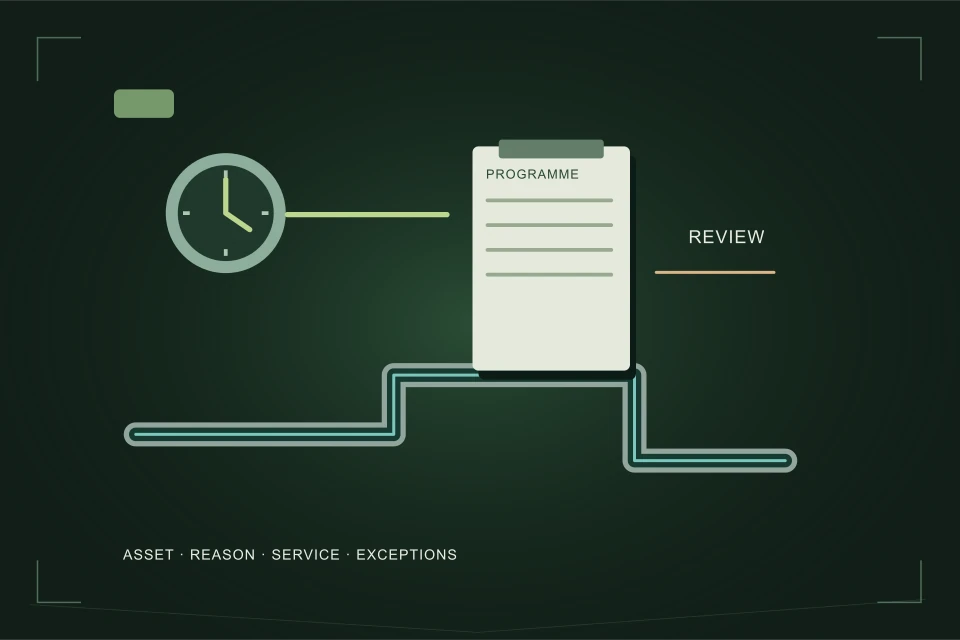
Build an evidence-led sewer maintenance programme
Create a Calgary building sewer maintenance programme around actual assets, contractor findings, access, service records, exceptions and review triggers.
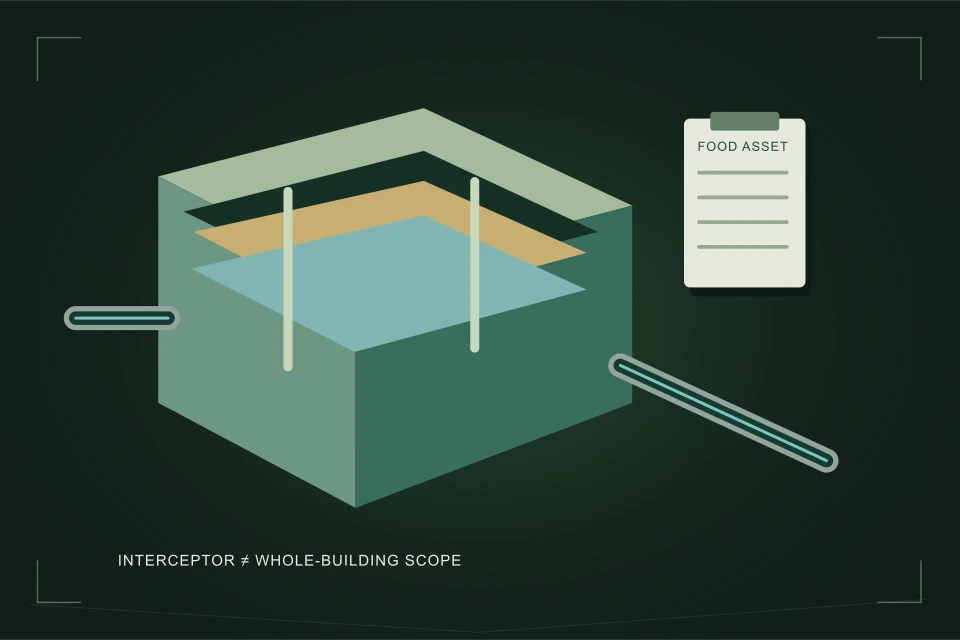
Separate food-service drains from the building sewer scope
Clarify Calgary mixed-use food-service drainage: interceptor records, kitchen branches, shared lines, operating contacts and evidence-led downstream investigation.
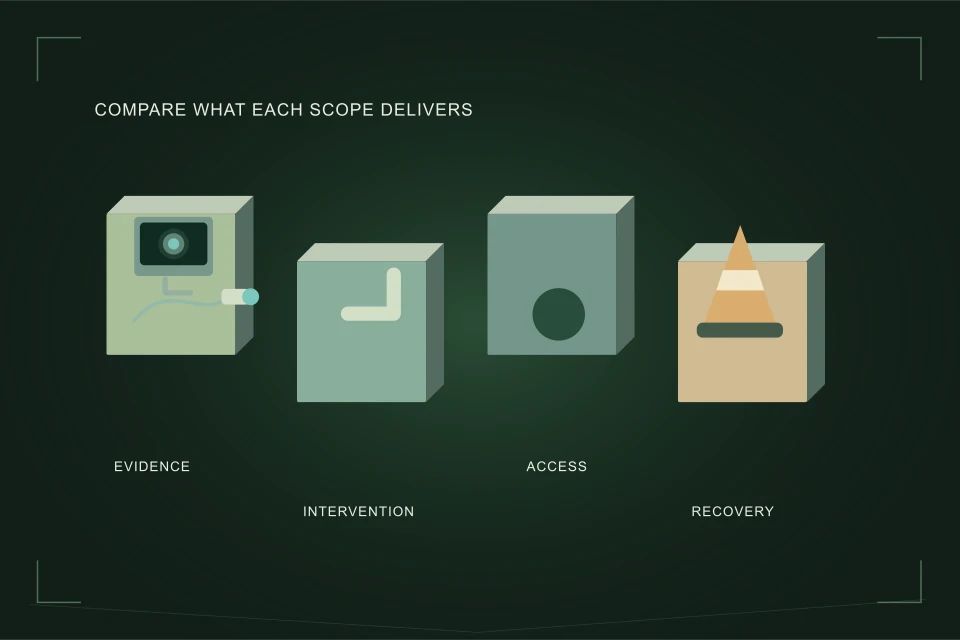
Budget the work you can actually describe
Compare Calgary building sewer scopes before prices: investigation, access, planned cleaning, repairs, recovery, evidence deliverables and outstanding items.
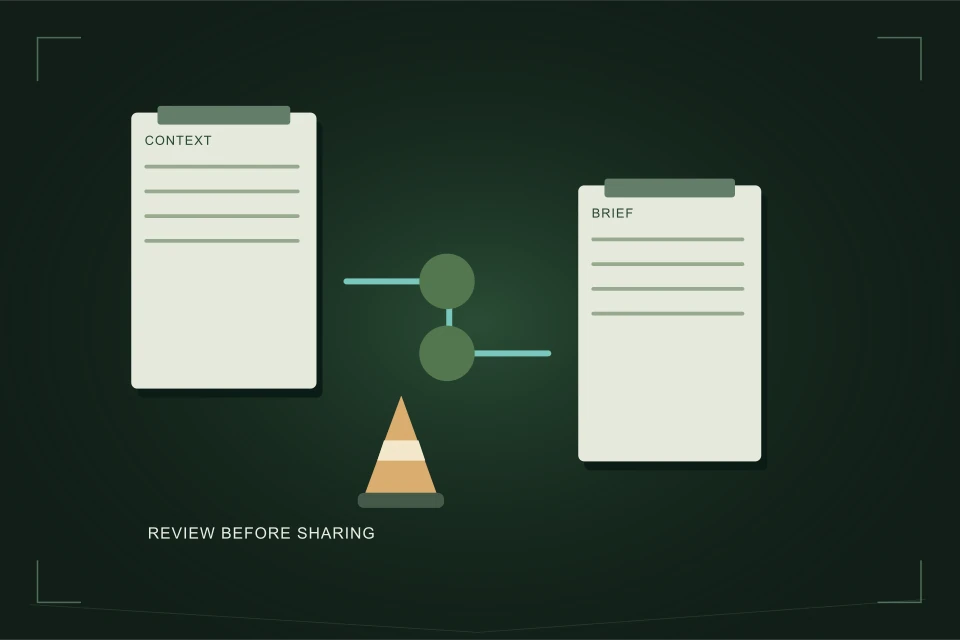
Build the brief before the next building sewer visit
Create a reviewable Calgary building sewer brief from your goal, incident status, access, records and food-service context. Review it before sending.
Use the right Calgary route for the building question
Find Calgary building sewer contacts and source boundaries: backups, private connections, trade permits, food-service assets and limited residential records.
Frequently asked
Is CalgarySewer.com the building contractor?
It is an independent HAUSE information and service-request portal. It helps organise questions, evidence and a request for local help. It does not perform plumbing work, approve a design, certify your building or promise an accepted appointment. The actual provider and appropriate authorities assess and authorise the relevant work.
Can building teams use the brief without sharing it?
Yes. The tool runs in the browser and presents a complete editable draft. Copy it for an internal work order or review it on screen. Adding it to a request only fills the message; you must complete the form and explicitly consent before sending. Keep private resident and security details in restricted records.
Which building audience does this portal serve?
It focuses on Calgary property managers, condominium teams and other people coordinating multi-unit or mixed-use sewer operations. The guides emphasise evidence, access, authority and handover rather than choosing a generic cleaning method. Use actual site records and qualified providers for the final technical and property decisions.
What should a manager do if sewage is actively backing up?
Protect people, avoid contaminated water and wet electrical equipment, stop contributing water use when safe and contact Calgary 311 and the responsible building responders. Immediate danger requires emergency services. The HAUSE enquiry form is not emergency dispatch. Documentation should be gathered from a safe location, not at the expense of response.
Do these guides establish a building sewer maintenance interval?
No. They explain how to ask a qualified provider for an asset-specific scope and review triggers. Applicable food-service interceptor obligations are kept separate. The portal does not publish one interval for every building pipe or predict that a programme will prevent all future incidents.
What is the best first record to improve?
Start with the relevant asset map and a clear work order for the decision in front of you. Gather the existing reports and identify missing intervals or access. A modest dated register that states its uncertainty is more useful than a complete-looking document unsupported by evidence.
Give the next conversation a clear starting point.
Describe the building, assets, observed problem or planned work, available records and access. Keep resident names, keys and other restricted information in your building’s own system.
Sewage backing up right now? Stop using water, keep people away from the water, and do not touch electrical equipment near it.