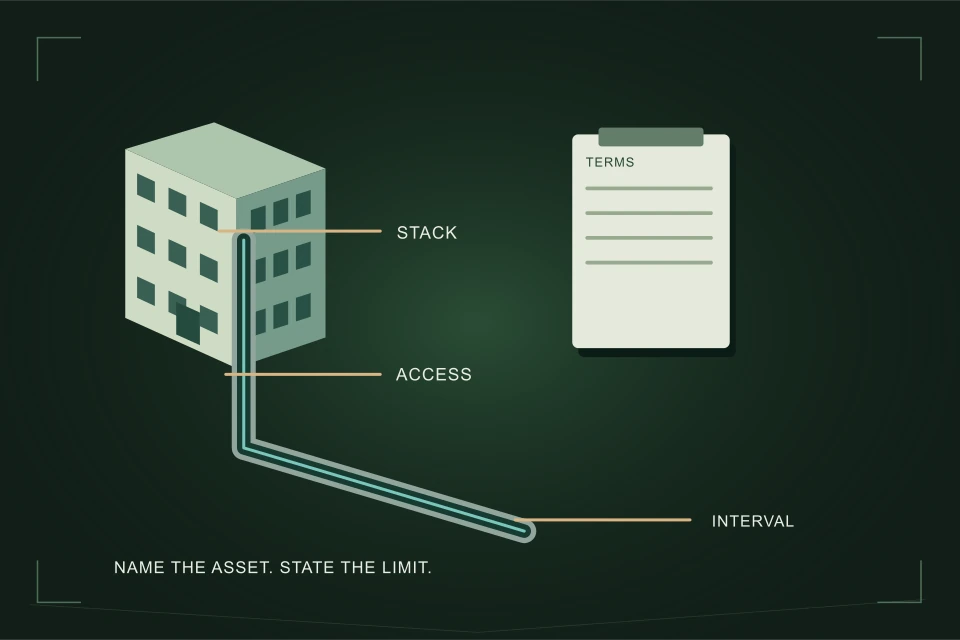
Use this glossary to distinguish the asset, observation, authority and operating instruction in a sewer work file. A shared line is not automatically common legal ownership, a camera run is not unlimited coverage, and a paid invoice is not the complete handover. The definitions help organise questions; the actual property documents and qualified site findings control the decision.
01 /Why keep the language precise?
A building file passes through managers, contractors, residents and administrative teams. A short phrase can take on more meaning than its evidence supports. Describe the observed interval, record source and actual authorisation rather than letting a broad label such as main sewer stand in for all three. When a report uses a different asset name, add a cross-reference and preserve the original wording. Do not silently rewrite the record into a new technical conclusion.
Use the asset map guide and camera handover guide to apply these terms. A useful map can contain unknown routes when that limitation is clear. A useful report can be partial when its observed coverage is stated. Precise language makes those records easier to use without pretending that every question has already been answered.
A–ZTerms
- The actual permission and responsible role for entry into the relevant room, suite or property. It is separate from a provider booking and from approval of an expanded repair scope.
- Access point
- The location used for a particular inspection or intervention. Record its asset reference, room and limitations because a different start point can change the meaning of a recording distance.
- As-built information
- Documentation of the delivered arrangement after work, with its source and revision date. Distinguish it from an earlier proposal, and preserve uncertainty when the supplied record does not establish an exact route.
- Asset register
- A dated inventory that names the drainage assets, their locations, related records and known gaps. It helps a building team find evidence and plan access; it is not automatically a surveyed design or a condition certificate.
- The defined work and deliverables approved by the responsible party. It tells a provider where the job begins and ends and how any proposed change requires review before proceeding.
- Backwater valve
- An installed device intended to limit reverse flow under the conditions for which it is designed. Its presence does not establish that every connected asset is protected or that servicing is unnecessary.
- Branch drain
- A section carrying discharge from particular fixtures toward a larger drainage path. Its connected users and route need actual records or qualified investigation rather than an assumption based on nearby rooms.
- Building drain
- The drainage path collecting flows within or leaving a building before the downstream sewer connection. Use the actual building documents to describe the arrangement instead of treating the label as an ownership finding.
- Camera coverage
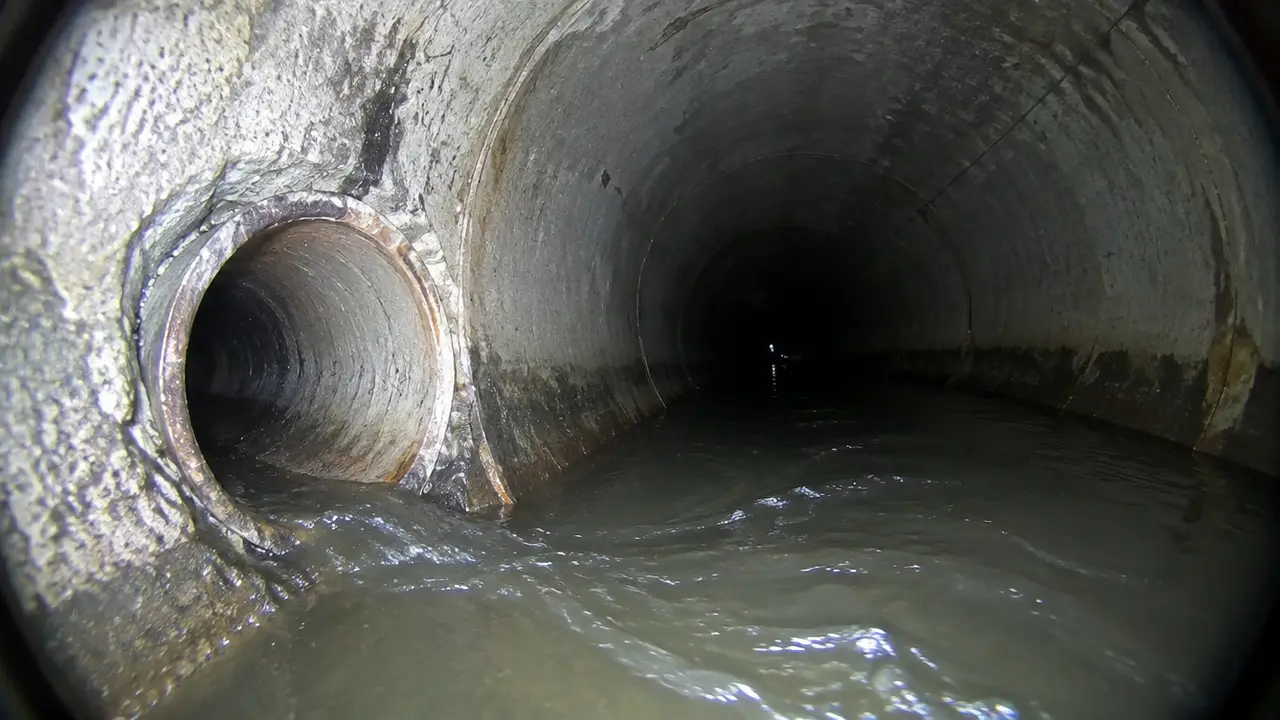
- The interval actually observed during a CCTV visit. It should include the start reference, direction, endpoint and any obstruction or access limit, not simply the fact that a camera was used.
- The recorded approval for a revised work scope after new information or an access problem. Preserve the original instruction and the reason for the change so future staff can trace the decision.
- Cleanout
- An access provision in a drainage system. Its recorded location does not by itself establish safe or usable access; the provider assesses the method while the building arranges authority and ordinary clearance.
- Closeout package
- The reports, original files, relevant authorisation and outstanding-item record received after work. It should demonstrate what was completed and what remains unobserved or unresolved rather than merely accompany a paid invoice.
- Connected area
- The spaces or users believed to discharge into a particular section. Mark the evidence and uncertainty because proximity alone does not prove which fixtures share the investigated run.
- Contaminated-space recovery
- Assessment and work addressing sewage-affected space after or alongside drainage response. It is separate from restoring flow and may require different providers, restrictions, documentation and insurer decisions.
- Distance reference
- The stated origin for a measurement shown on a recording or report. A camera counter needs that context and is not automatically a surveyed surface location of a proposed repair.
- Evidence gap
- A relevant question that the available records do not answer. Keeping it explicit helps the provider plan a useful investigation and prevents partial observations from becoming an unsupported whole-system conclusion.
- Food-service interface
- The relationship between an actual food operation, its interceptor or kitchen branch and the downstream building sewer. Each asset needs a clear scope and record, even where the pipes are connected.
- Grease interceptor
- Equipment used for the relevant food-service drainage function. Calgary requirements for applicable servicing and records are asset-specific; an interceptor service invoice does not establish the condition of every downstream run.
- Incident log
- A dated record of reported and observed symptoms, responder instructions, actions and outstanding restrictions. It supports investigation but does not itself prove a cause, legal responsibility or insurance coverage.
- Inspection limitation
- A condition that restricts what the provider could observe or establish, such as access, an obscured view or an unpassed interval. It is part of the report value and should remain visible.
- Intervention
- Physical work on an asset, distinct from reviewing documents or observing it. The agreed method, authority and work boundary matter because a request to investigate is not automatic approval for major repair.
- Locate record
- Evidence describing a locating request, response or actual surface observation. A utility ticket does not identify every private facility, and a camera distance is not a substitute for the relevant locate assessment.
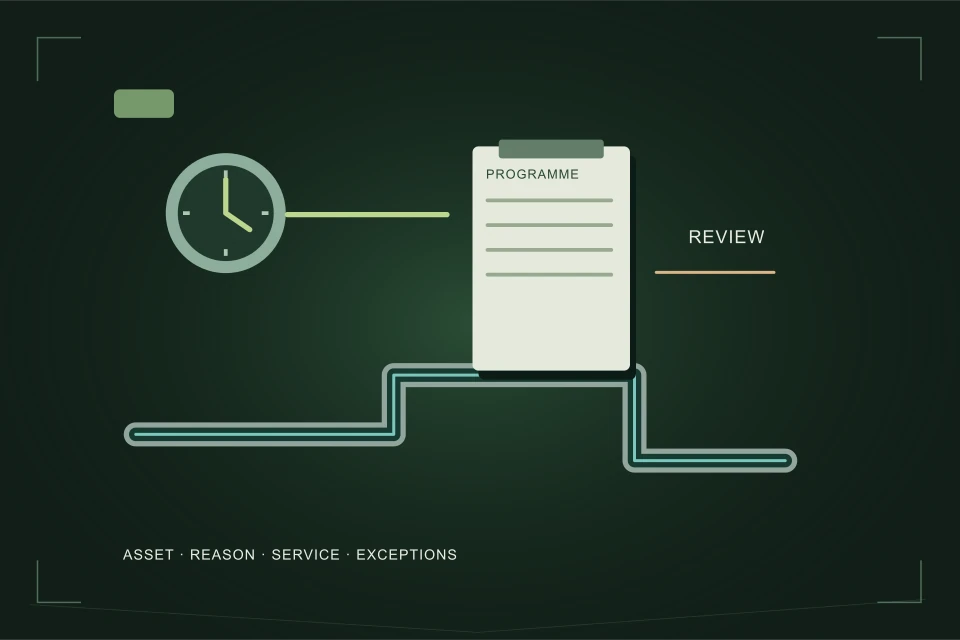
- Maintenance programme
- An asset-specific plan with a reason for the scope, provider recommendation, access, service evidence and review triggers. A generic calendar alone does not establish suitability or prevent every future incident.
- Municipal boundary
- The relevant division between public and private service scope to confirm with the City and actual project records. Do not treat a general diagram or residential dataset as the final answer for an unusual shared property.
- Original recording
- The retained file of the observed CCTV run with its identifying context. Highlights may help communicate findings, but the surrounding interval and limitations can matter to another qualified reviewer.
- Private lateral
- The private downstream sewer segment relevant to the property arrangement. Its route, condition and responsibility need actual evidence; a public-side entry does not automatically describe that private interval.
- Recurring event
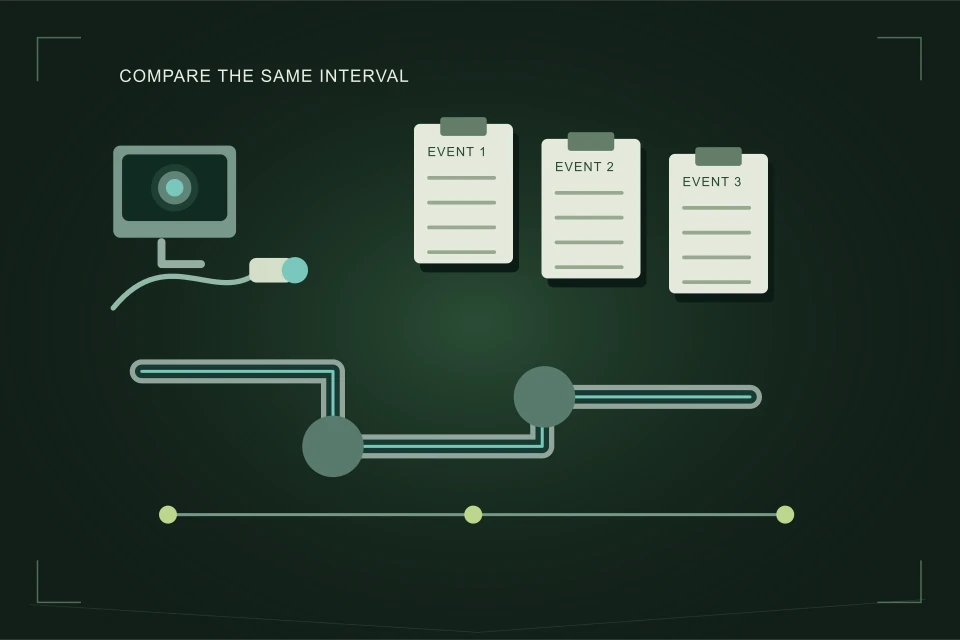
- A further symptom or callout that may warrant comparing evidence with earlier work. Similar descriptions do not prove the same interval or cause, so match assets, access and actual completed scopes.
- Resident notice
- A practical communication about confirmed work, affected areas, access or water-use instructions and contact routes. It does not by itself authorise entry or replace the applicable building legal process.
- Review trigger
- An event or finding that prompts reassessment of the programme, such as recurrence, changed use or a new access constraint. Agree it with the provider rather than inventing a universal maintenance threshold.
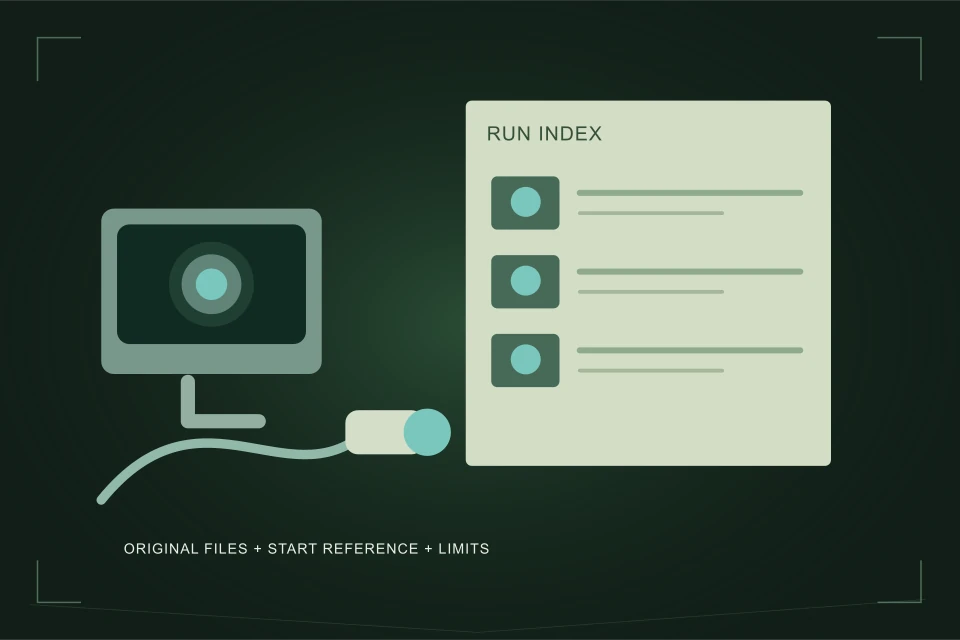
- Run index
- A list connecting each recording to its asset, start point, direction and file. It prevents different visits and access points from being compared as though they describe exactly the same interval.
- A description of several connected users. It is not automatically an answer about legal ownership, work authority or equal cost allocation, which can require the actual property documents and appropriate advice.
- Shift handover
- The operational transfer of restrictions, contacts, instructions and outstanding actions to the next building staff member. It should make the current safety instruction and unresolved decision easy to find.
- Stack
- A generally vertical drainage path connecting relevant building areas. The actual branches and served spaces need records or verification before the operating team defines a water-use notice or investigation scope.
- Storm drainage
- Drainage intended for relevant surface or rainfall-related water, kept distinct from sanitary wastewater. Do not infer the system type from a nearby outdoor opening; use actual plans and qualified identification.
- Work-order record
- The documented instruction connecting the operational question, asset, provider, authority and purchased deliverable. Keep scope revisions and closeout linked to it so the building can trace what was agreed and completed.