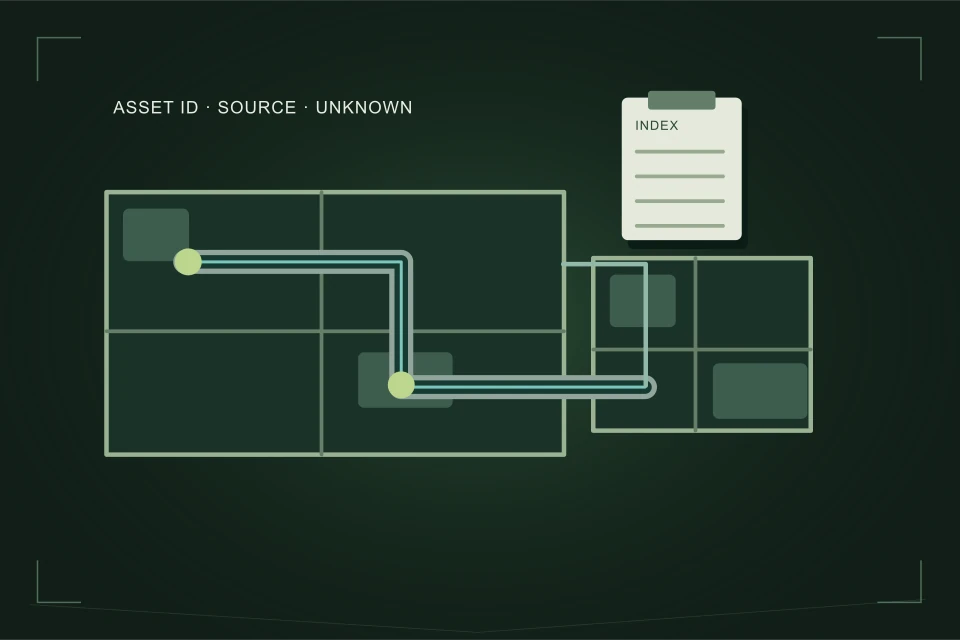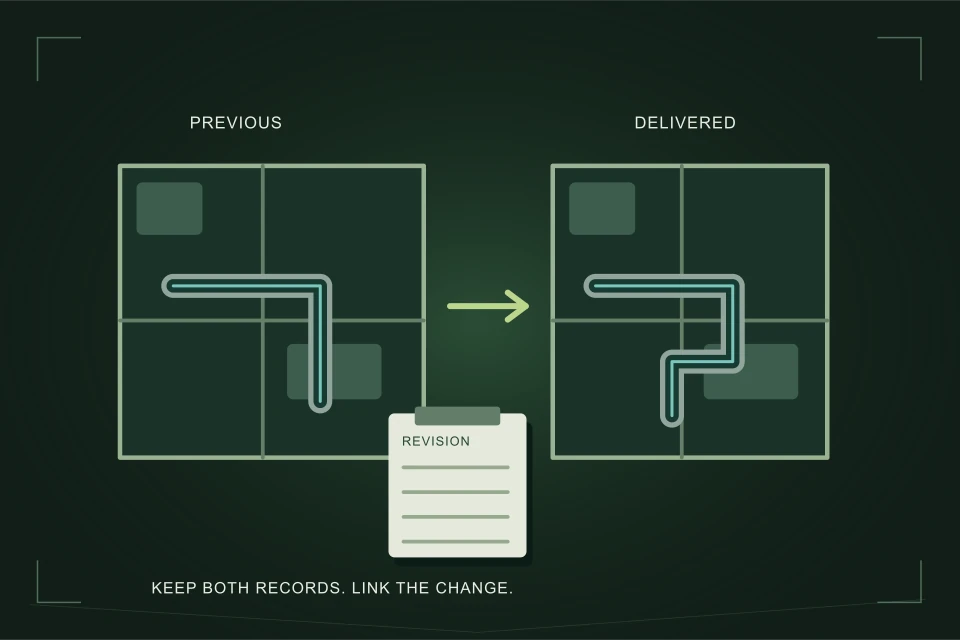
A renovation handover should show what drainage changed, which records were revised and what remains outside the work scope. Receive relevant permits and inspection evidence from the project team, update the building asset map and preserve original reports. New or altered plumbing needs the appropriate Calgary permit route. A finished wall or a paid invoice is not a substitute for the actual closeout records.
- Which drainage changes need an operating record
- What permit and inspection evidence should be requested
- How should access changes be handed over
- What should be retained from construction and post-work observation

01 /Which drainage changes need an operating record?
Ask the project team to identify altered fixtures, branches, stacks, access points and outdoor work relevant to the building sewer. A renovation can change how users are connected or where a cleanout can be reached, even when the main route appears unchanged. The manager needs a record that supports future access and investigation. Do not assume that a cosmetic fit-out has no drainage implications, or that every change seen in a finished room affects the same shared run.
The project record should distinguish proposed drawings from the delivered arrangement. Ask who will provide the revised information and in what form. Retain the original design and approved revisions so later staff understand what changed. A handover does not need to invent survey precision where none was supplied. It should clearly identify the basis and limits of each drawing or note, the relevant asset references and the project team responsible for clarifications.
02 /What permit and inspection evidence should be requested?
Calgary trade-permit guidance identifies plumbing permit requirements, including replacement of water or sewer lines, while blockage removal is an exemption. Changed building plumbing and project-specific servicing need the appropriate route confirmed by the qualified contractor and City. The manager should request the actual project permit and inspection record relevant to the completed scope. Do not substitute a generic contractor licence claim, a building permit number for unrelated work or a verbal statement that everything was inspected.
Homeowner permit eligibility is restricted, and apartment condominium plumbing requires a licensed contractor under Calgary guidance. A property manager should not apply a homeowner pathway to a rental or multi-unit job simply because a resident owns a unit. Ask the project team to identify the applicable authorisation and who obtains it. This guide does not approve the design or say that one permit covers every trade or public connection. Record the project-specific confirmations and any remaining inspection task.
03 /How should access changes be handed over?
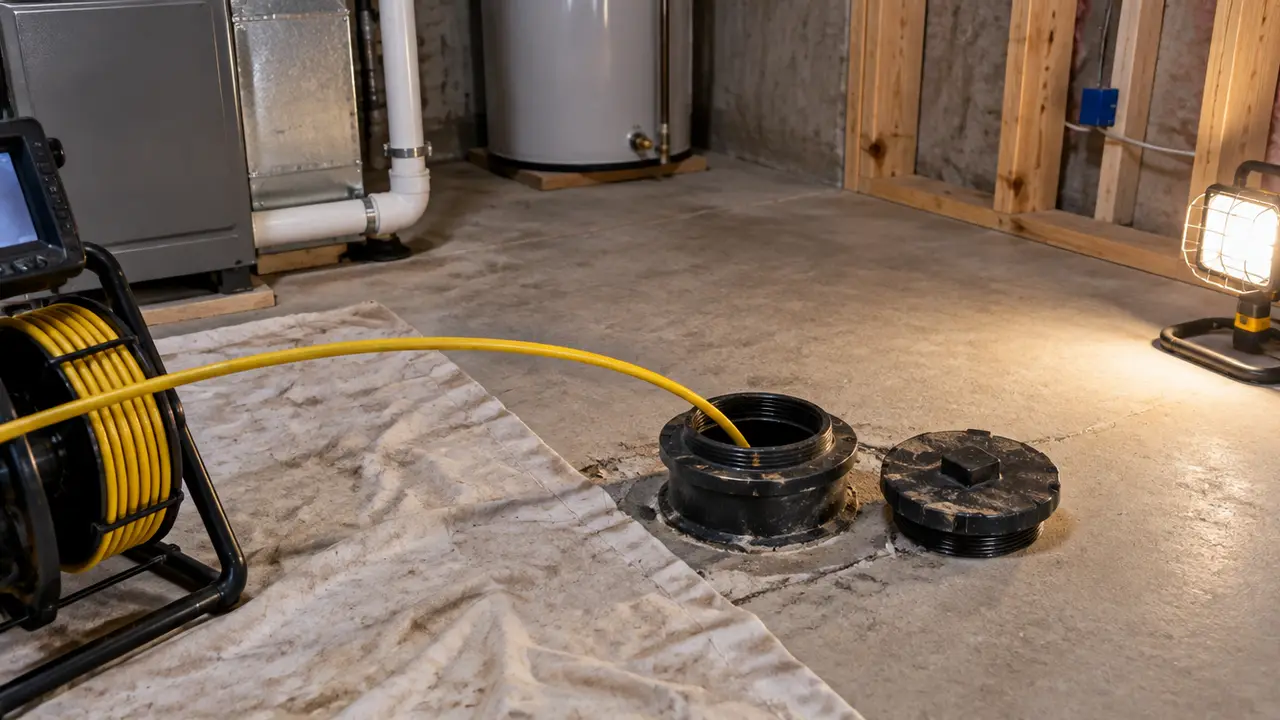
Walk the accessible operating areas with the responsible team when safe and appropriate. Identify relocated cleanouts, new panels, changed room use and any equipment clearance. Record where the access information is stored and who controls entry. Do not include security codes or resident details in public-facing drawings or general service requests. A mechanical access point hidden behind permanent finishes can limit future work; raise the actual arrangement with the qualified project team rather than assuming a marked drawing makes it usable.
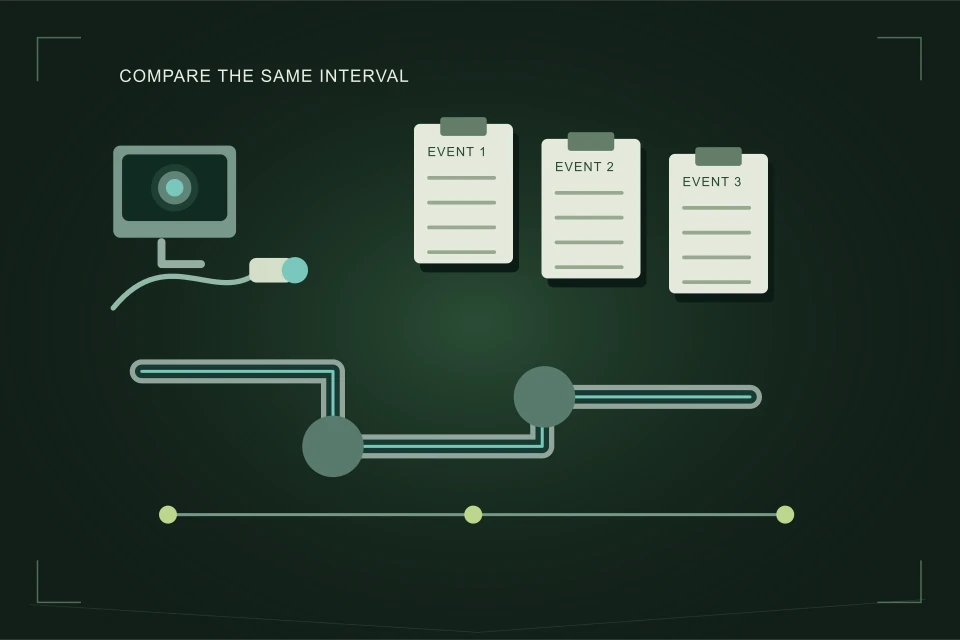
Update maintenance instructions after the handover is reviewed. If a contractor needs a revised access path or resident scheduling contact, record that change with the asset. Keep the previous access history available so later investigators can interpret old camera reports. A new cleanout can change the start reference of a recording; footage from the old and new access should not be compared as though the counter began in the same place. This is a practical reason to preserve revision dates.
04 /What should be retained from construction and post-work observation?
| Record | Operating value |
|---|---|
| Revised drainage information | Shows what arrangement was delivered |
| Relevant permit/inspection evidence | Tracks project-specific authorisation and closeout |
| Access and asset changes | Lets a future provider plan a safe visit |
| Original reports and recordings | Preserves observed coverage and limitations |
| Outstanding items and responsible contacts | Makes incomplete work visible |
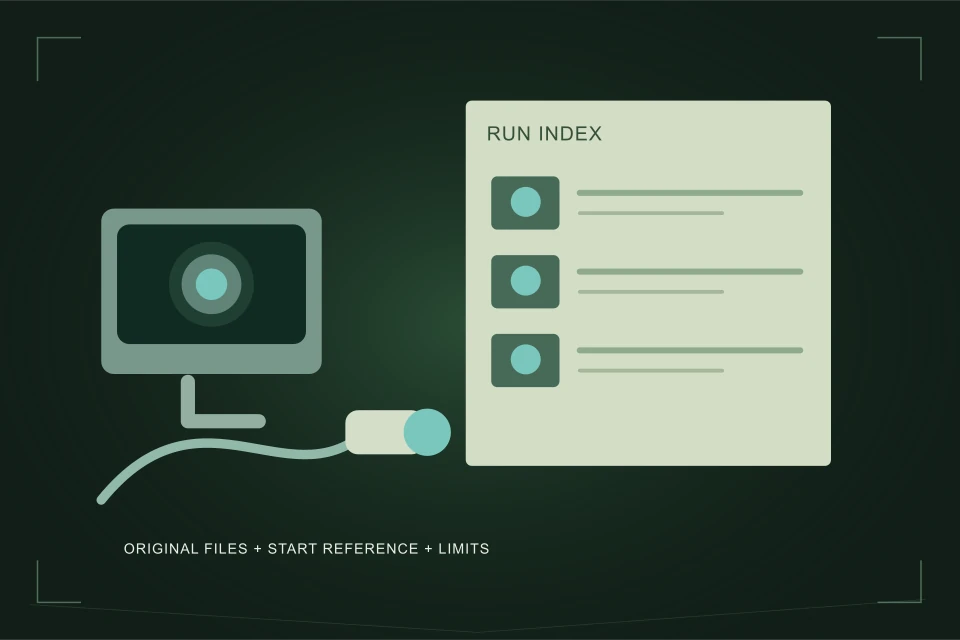
If camera observation is part of the contracted handover, ask for the named run, start reference, original files and limitations. It documents what was visible at the time; it does not certify every connected asset or establish a broad prediction about future operation. Match any post-work finding to the actual authorised scope. If an intended interval could not be observed, record the reason and ask the project team what remaining evidence is needed.
Keep warranties, provider instructions and maintenance requirements with the relevant asset, while avoiding unsupported lifespan or performance claims in the building register. The operating team needs to know whom to contact and what conditions or records matter for follow-up. Do not summarise a detailed warranty into a blanket promise. Preserve the actual document and identify the project-specific limitation or unresolved question that requires review.
05 /How should an incomplete handover be managed?
Create a missing-record list with a responsible contact and the decision each document supports. A missing recording, unsigned scope revision or unclear permit closeout should remain visible rather than being hidden by a generic project-complete checkbox. Ask the project team for the evidence or a written explanation of the limitation. The manager can then decide, with appropriate professional advice, whether further investigation or another closeout step is needed.
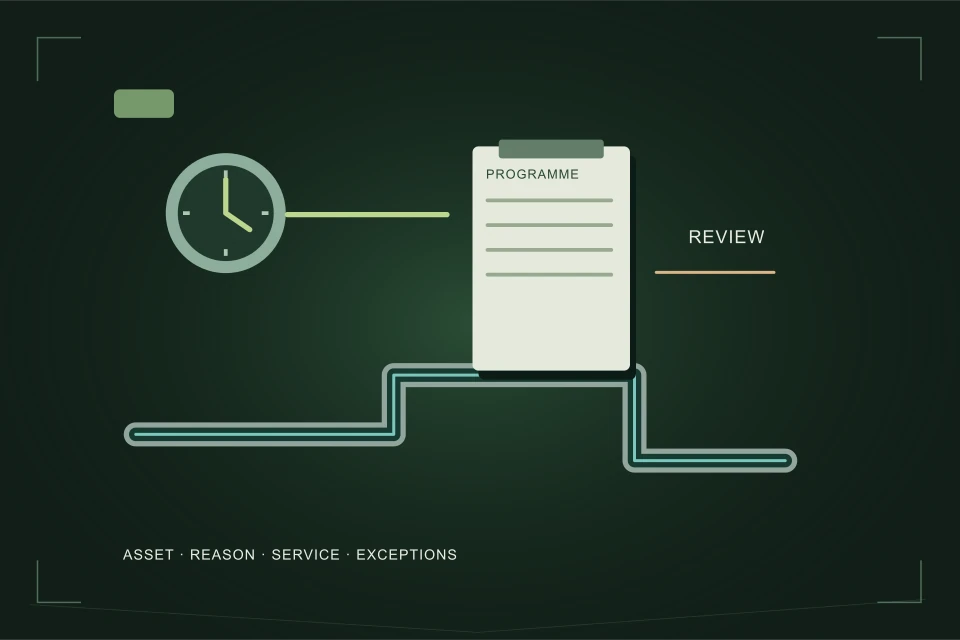
Separate possession of a finished space from acceptance of every drainage record. A building can be operating while its administrative handover is incomplete. Record that state honestly and keep the relevant restrictions or follow-up instructions accessible to staff. If the new arrangement affects an existing maintenance programme, revise it with the provider once the actual asset information is established. A programme based on an old route should not continue silently after a material change.
06 /Example: a renovated amenity room
A project adds or relocates plumbing in a building common area. The manager receives a finished room and a final invoice, but the asset map still shows the prior branch and access. Before treating the handover as complete, the manager asks for revised drainage information, relevant permit and inspection evidence and the actual cleanout access arrangement. Any agreed post-work observation is matched to the changed interval, not presented as an assessment of the entire property.
The building register is updated only after the responsible team reviews the records. Previous documents remain in the archive with a revision note. Staff receive the changed access and relevant service contacts, while any outstanding clarification is assigned to a person. The next contractor can then understand the current arrangement and the history behind it without relying on a manager who happened to attend the renovation.
07 /A useful commissioning check
At project handover, compare the missing-record list with the operating team needs. An inspector record, revised access plan and original post-work recording serve different purposes; collecting one does not automatically close the others. Ask the responsible project contact to identify the actual delivered documents and remaining tasks. Make the current arrangement understandable to someone who did not attend construction. Preserve the prior map and revision note, then issue staff only the relevant operating update. This prevents a finished room from hiding a documentation gap that becomes expensive when the next service visit needs access.
FAQQuestions people ask
Is a building renovation invoice enough to update the drain map?
It may describe the purchased work, but ask for the actual delivered arrangement, access changes and relevant reports. Keep the invoice linked to the closeout rather than using it to infer a precise route. The manager should preserve the source and limits of the updated map so a future provider can verify uncertain sections.
Can an apartment owner use a homeowner plumbing permit for any unit renovation?
Calgary homeowner eligibility has restrictions, and City guidance requires a licensed contractor for apartment condominium plumbing. Have the actual project route confirmed with the City and qualified contractor. Do not generalise a homeowner pathway to a rental, apartment or shared-building job from ownership of a unit alone.
Does a post-renovation camera report certify all building drains?
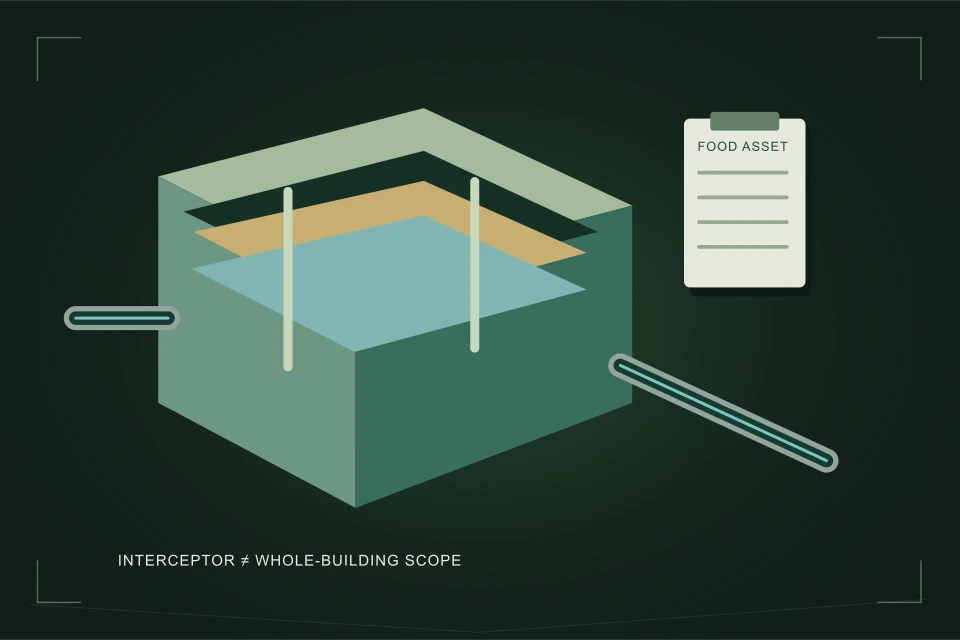
It describes the observed interval and its limitations. Match it to the authorised work scope and retain the original files and start references. A report covering one altered run does not establish the condition of every connected branch or private outdoor line. Keep those unobserved areas visible in the asset register.
What should the manager do with an outstanding closeout item?
Record the item, responsible contact and decision it prevents. Ask for the missing evidence or a written limitation rather than marking the file complete. Keep relevant operating restrictions and follow-up instructions available to staff. Revise the maintenance programme only when the actual asset change and provider recommendation are understood.
NETWORKGo deeper across the HAUSE Sewer network
Sewer camera inspection certification and training: what it proves
Sewer camera inspection certification and training in Canada: NASSCO PACP and LACP, home inspector courses, safety training and what a credential proves.
PipeCleaning.caCondo and apartment drain stack cleaning
Condo and apartment drain stack cleaning: why kitchen stacks back up on lower floors, how stacks are jetted or descaled, and how boards schedule it.
SewerQuotes.comSewer line replacement cost: open-cut vs trenchless, line by line
Sewer line replacement cost in Canada for 2026: open-cut, CIPP lining and pipe bursting planning ranges in CAD, per-metre math, line items and what moves price.