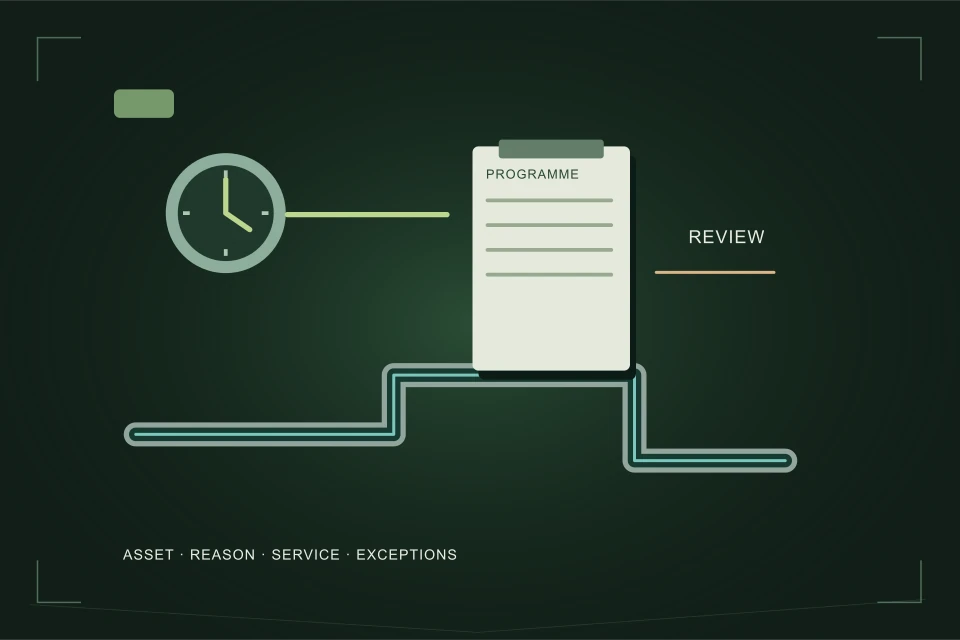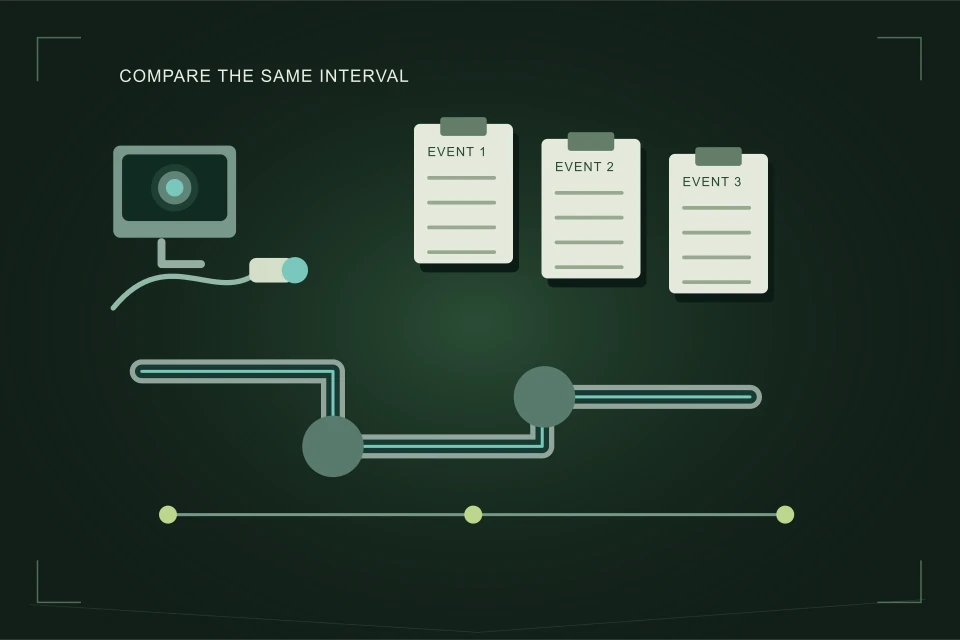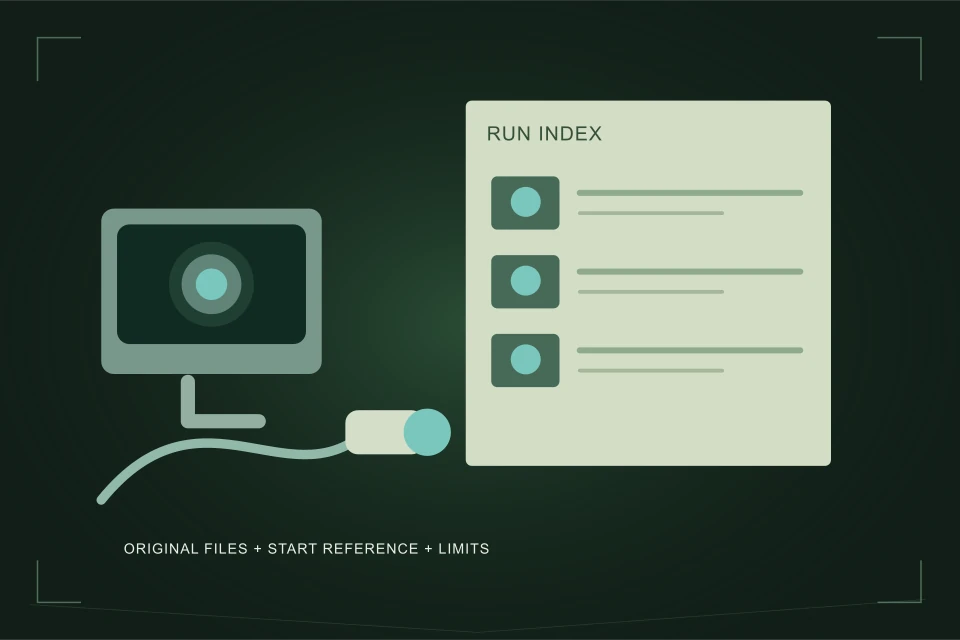
Specify what the camera visit should answer and what evidence must remain afterward. Ask for the original recording, a start point and direction, referenced observations, coverage limits and a readable summary. A recording does not certify the whole building or establish ownership. The handover should let another qualified provider understand what was observed without relying on a verbal memory of the visit.
- What question should the inspection answer
- What identifiers should be present in the report
- How should findings connect to footage
- What belongs in the limitation statement
01 /What question should the inspection answer?
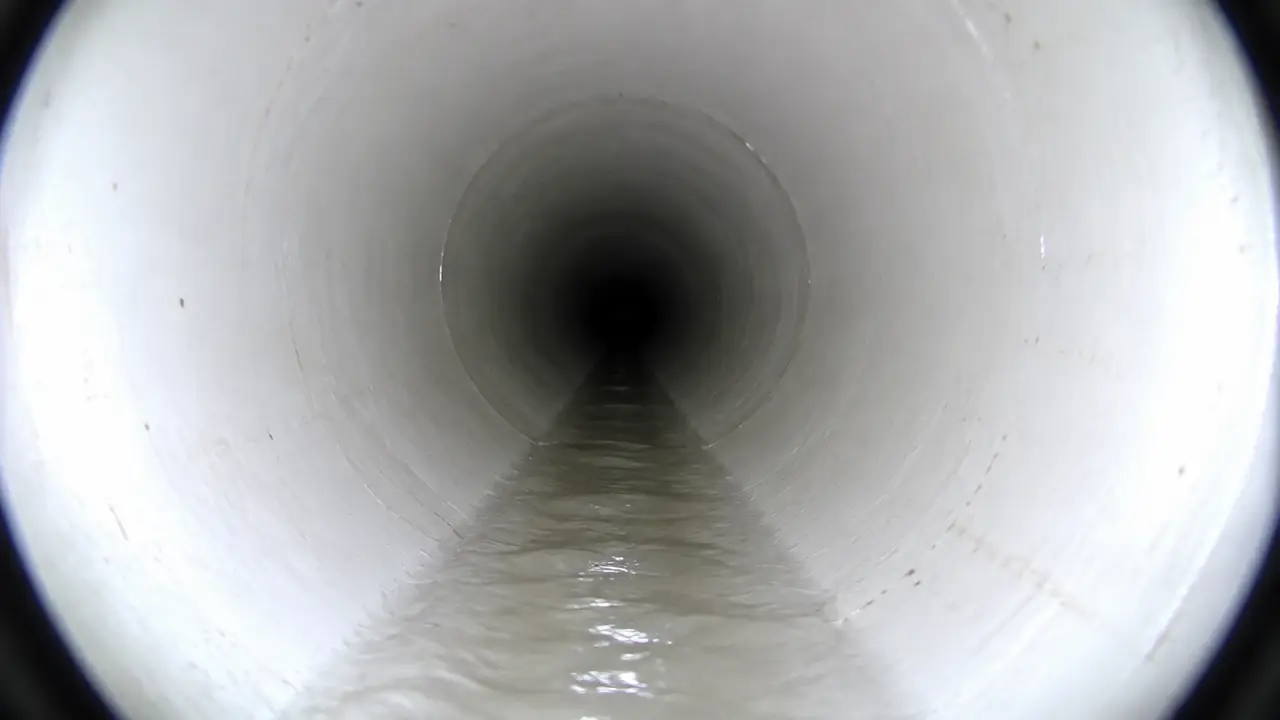
Define the operational question before booking a camera. A building may need to understand a repeated obstruction, verify an accessible section after work, trace a route or assess a recorded concern. These questions do not necessarily require the same access or equipment. Give the provider the building map, earlier report and relevant symptoms. Ask which part of the question the proposed visit can answer and whether preparatory work is needed to make the view useful.
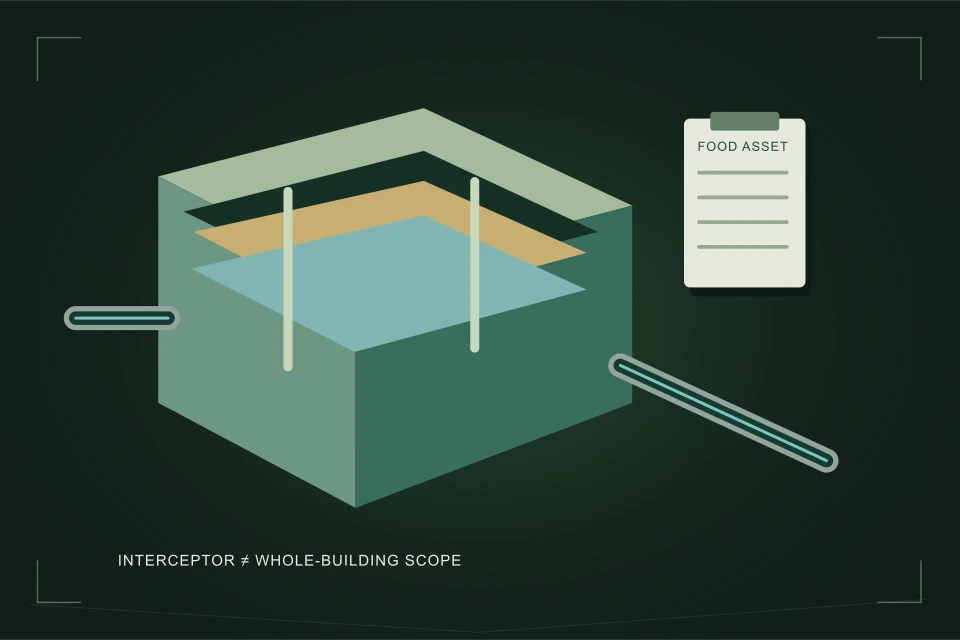
Avoid ordering a whole-building certification when the intended access covers one run. The quotation should describe the planned interval and the conditions that could limit it. If more than one stack or branch is involved, give each a separate asset reference. A camera visit can produce valuable evidence while remaining partial. The usefulness of the job comes from matching its scope to a decision, rather than from the number of minutes of video alone.
02 /What identifiers should be present in the report?
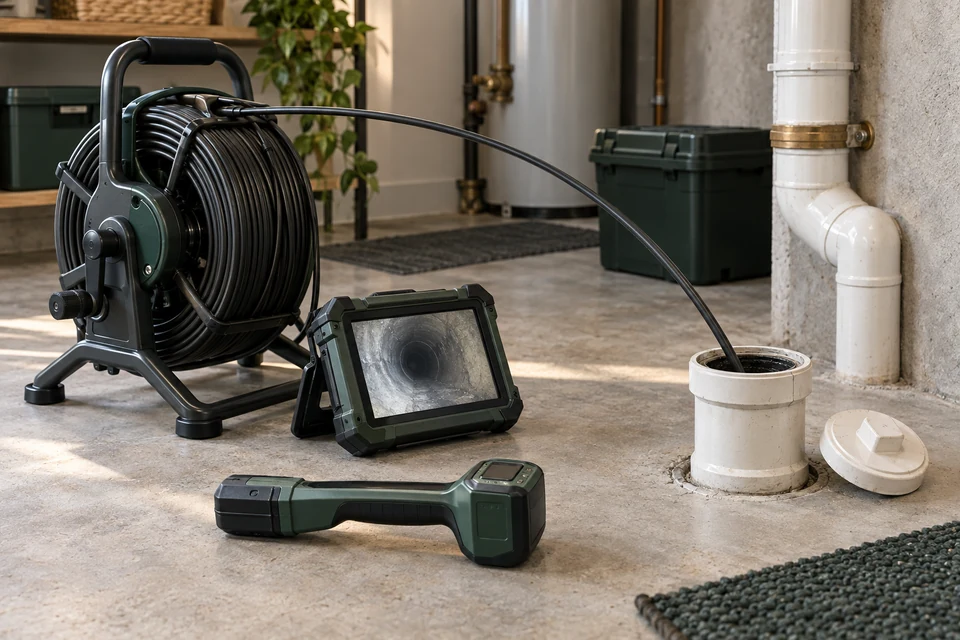
The handover should name the building, visit date, asset or access point, direction and distance reference used for the recording. Ask for filenames that can be matched to the report. When more than one run is recorded, label each one independently. A file called final.mp4 and an invoice saying sewer inspected can be difficult to interpret months later, particularly when the manager who attended the visit has changed roles.
Record how the provider describes the end of the observed interval. Did the camera reach a known connection, stop at an obstruction or finish because access or equipment limited coverage? Keep that description rather than inventing a downstream endpoint. A distance on a counter needs its start reference and does not automatically establish the pipe location at the surface. If a locate was performed, ask for its separate method, marks and limitations in a format the building can retain.
03 /How should findings connect to footage?
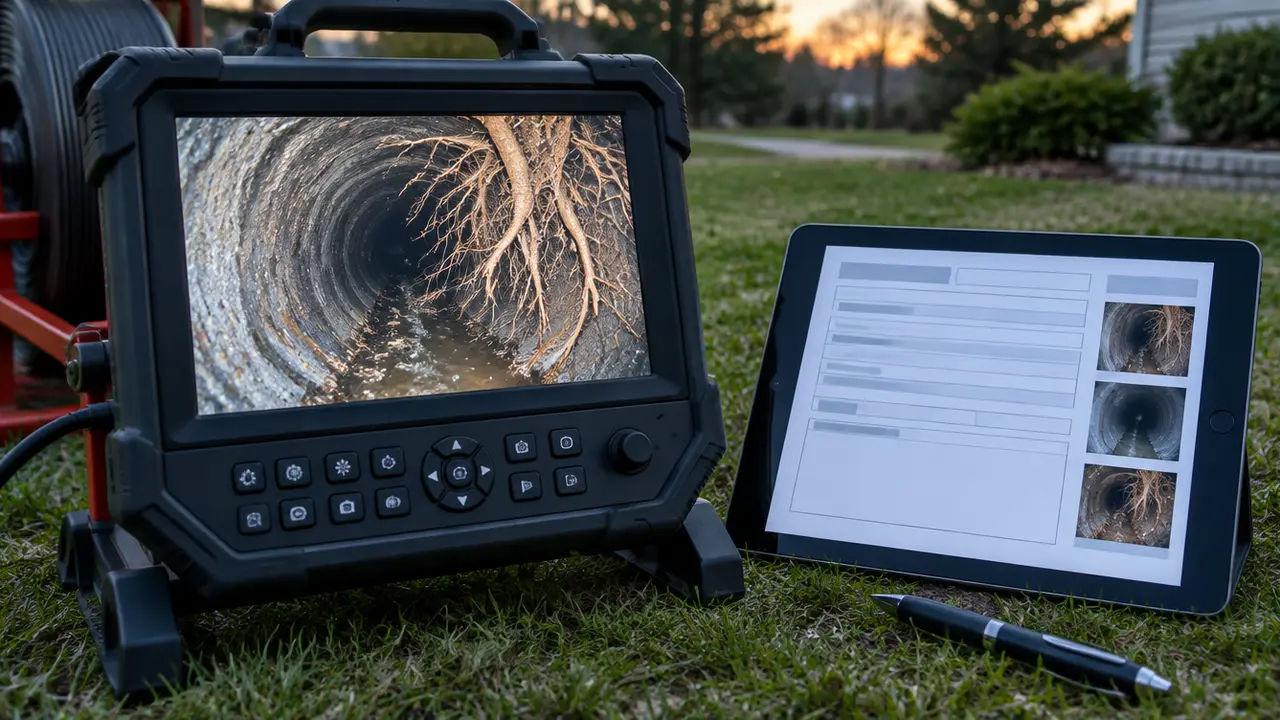
Ask for observations referenced to the relevant recording position or time. A readable summary should distinguish what was seen from the provider interpretation and recommended next action. Images of roots, deposits, an offset or standing water may matter, but they need context within the inspected run. The provider should explain what uncertainty remains. A still frame without a route reference is useful illustration, yet it may not be enough to support an excavation location or a broad condition statement.
Retain the original recording rather than only a compressed selection of dramatic frames. Edited highlights can help a manager communicate a concern, but a later provider may need the surrounding interval. Ask what viewing format or link will be supplied and how long it remains available. Download the authorised files into the building records system when appropriate. Preserve original filenames and add a separate index if the building needs clearer labels. Do not alter the evidence to make an administrative report look more definitive.
04 /What belongs in the limitation statement?
A useful limitation statement describes the conditions that affected the observation: obscured view, standing water, an inaccessible access point, a branch that was not inspected or an interval the equipment could not pass. It also identifies any question the visit did not answer. The manager should be able to read the statement and decide whether further investigation is needed. A generic camera-inspected label hides those distinctions and can mislead staff into believing a whole system was cleared.
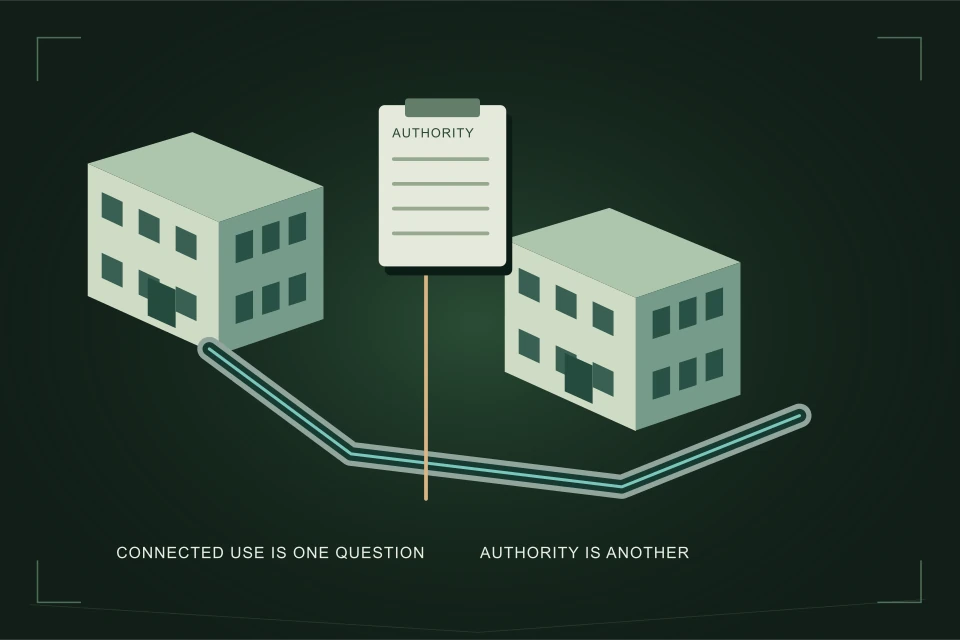
The camera does not establish legal responsibility, permit compliance or all hydraulic design conditions. A satisfactory-looking visible section also does not prove that an unobserved section is in the same condition. Ask the provider what additional investigation, professional input or records are needed for the proposed decision. The manager then commissions the next work deliberately. The limitation is part of the delivered value because it defines where the evidence stops.
| Deliverable | Why it matters |
|---|---|
| Original recording files | Allows a later qualified review |
| Run index and start reference | Matches report to an asset |
| Referenced findings | Shows where the observation was made |
| Coverage and limitations | Makes unobserved sections visible |
| Recommended next decision | Separates evidence from proposed work |
05 /How is post-work observation different?
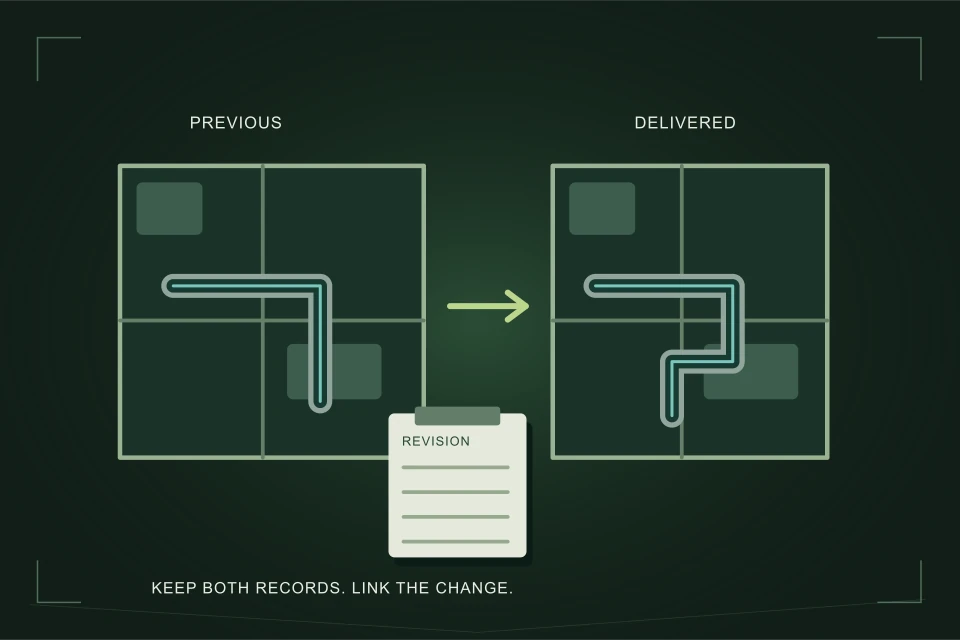
State the purpose of a post-work camera visit separately from the original condition inspection. It may document a cleaned interval, a repaired location or the visible result of a particular contracted scope. Ask for before-and-after references where they are meaningful, and keep the same asset naming. A post-work recording is evidence of the observed interval at that time. It should not be presented as an unlimited warranty or certification of every connected branch.
Compare the closeout with the actual work order. If an authorised repair covered one location, ask the provider to show how the observation relates to that location and what remains outside the scope. If a recording cannot be completed as planned, retain the reason and agree on the outstanding step. Store the work report, invoice and recording index together. This gives future staff a traceable record of what the building purchased, what was done and what could be observed afterward.
06 /Example: a long video with no asset reference
A property manager receives a long recording and several screenshots after a contractor visit. The pictures show a concern, but the file does not identify which access was used or where the distance counter began. Before commissioning a repair, the manager asks the provider to supply the missing run reference, observed interval and limitations. That clarification may be enough to turn the files into a usable handover without repeating the entire visit.
If the provider cannot establish those references, the manager records that limitation and seeks advice about the evidence needed for the next decision. The file remains part of the history but is not treated as a precise repair location. A future specification explicitly requests an indexed run record and readable summary. The building improves its commissioning process instead of assuming that all camera evidence has equal precision.
07 /A useful commissioning check
Before accepting the camera handover, open each supplied file and compare its label with the run index. Check that the report identifies the start point, direction and coverage limitation, and that the original recording can be retained in the building system. This administrative check does not replace technical interpretation of the footage. It confirms that the evidence package is usable. If a file is missing, unreadable or ambiguously named, ask the provider for clarification while the visit is recent. Store the reply with the report rather than renaming uncertain content into a definite asset conclusion.
FAQQuestions people ask
Is a camera counter a surveyed location inside the property?
Not automatically. It is a distance reference within a run and depends on the start point and equipment use. Surface locating is a separate observation that needs its own description and limitations. Ask the provider to connect any proposed repair location to the relevant evidence instead of treating an unexplained number on a screen as a site coordinate.
Can a short highlight clip replace the original building recording?
A highlight clip can help explain a finding, but retain the original authorised recording and its run index when available. The surrounding interval may matter to another qualified reviewer. Store the summary separately and preserve references to the original files. Ask the provider about file format and link availability before the handover is considered complete.
What if the camera could not get beyond standing water?
The report should identify the observed interval and the reason coverage was limited. Standing water can affect what is visible and may require further assessment; it does not by itself establish a surveyed pipe profile. Ask what question remains unanswered and what method is proposed to address it. Do not mark the downstream route as inspected.
Does post-clean footage prove a building cannot back up again?
No. It documents the visible interval and conditions at the time of the observation. It cannot remove every future risk or certify all connected branches. Use it to check the contracted scope, update the asset record and discuss appropriate follow-up with the provider. Avoid turning a dated observation into a prediction about all future operation.
NETWORKGo deeper across the HAUSE Sewer network
What tree roots in a sewer line look like, on camera and on the cable
What tree roots in a sewer line look like on camera: fine roots, tap roots and root balls, PACP codes, look-alikes like grease, and what cut joints show.
SewerInspector.caShould you scope the sewer before buying a house?
When a sewer scope before buying a house is worth it, which homes need one most, how to fit it inside a condition period, and what to do with the result.
SewerCleaners.caWhat happens during a professional sewer cleaning visit
A step-by-step look at a professional sewer cleaning visit: arrival, questions, access, cleaning, flow testing, camera verification and the paperwork you keep.