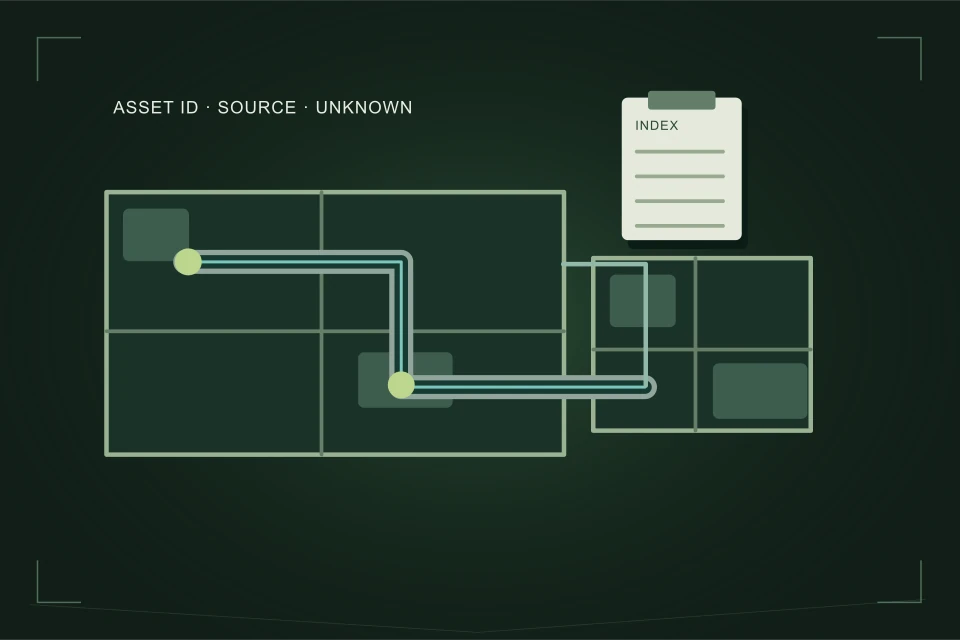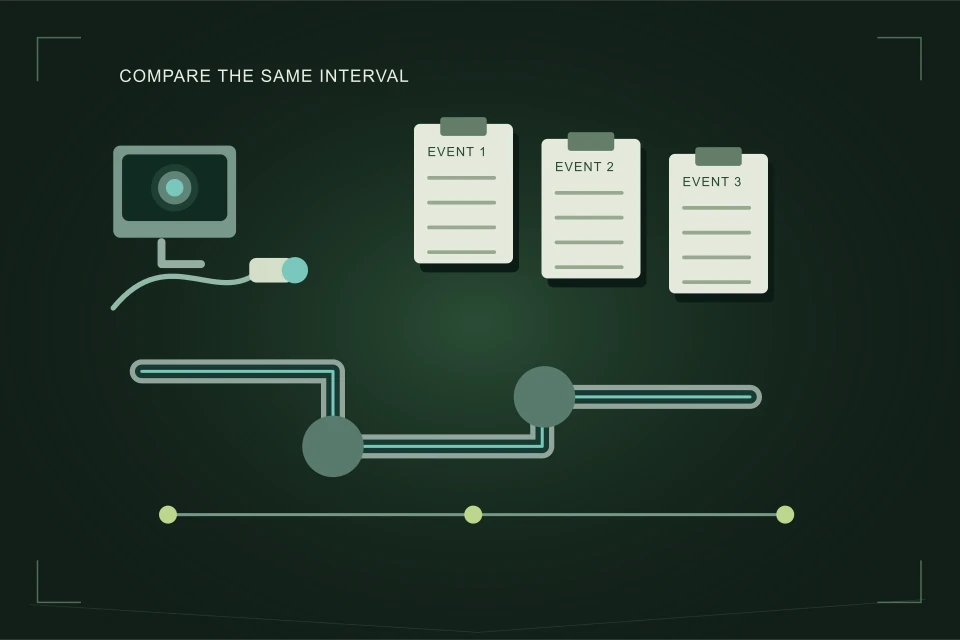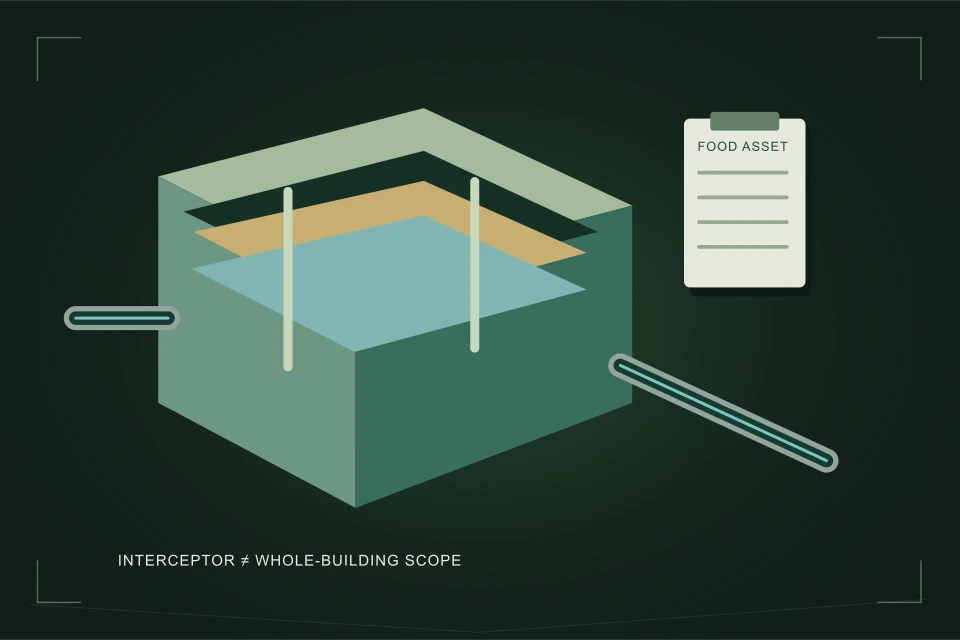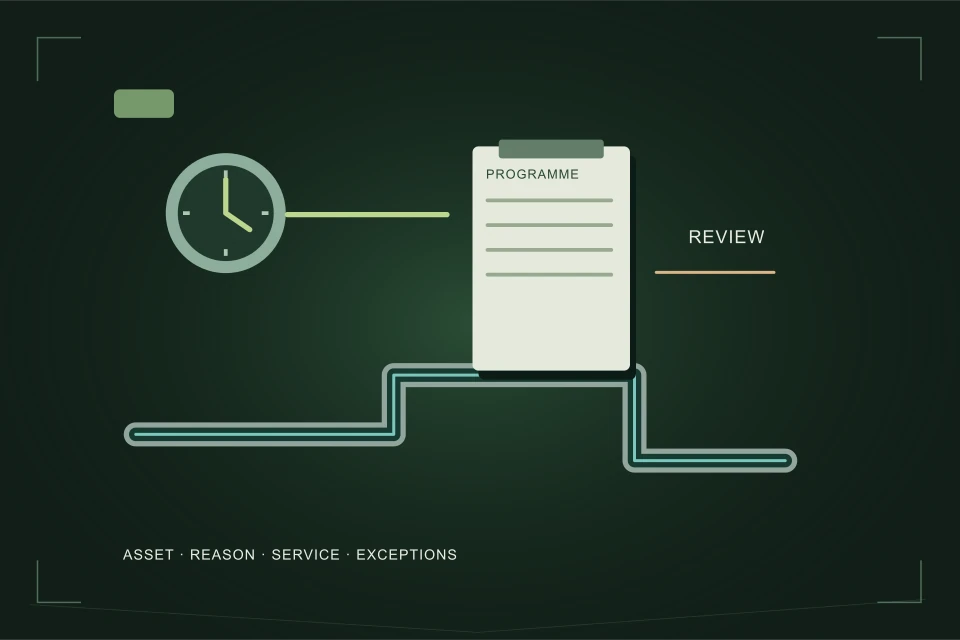
A useful programme states which assets are maintained, why the work is proposed, how access is arranged and what record follows each visit. Let a qualified provider recommend the scope and review triggers from the actual building evidence. Do not apply one cleaning interval to every pipe. Food-service interceptor requirements are a separate asset-specific obligation, not a universal apartment sewer schedule.
- What problem should the programme solve
- Who should recommend the method and interval
- What needs to be recorded after every planned visit
- How do food operations change the programme
01 /What problem should the programme solve?
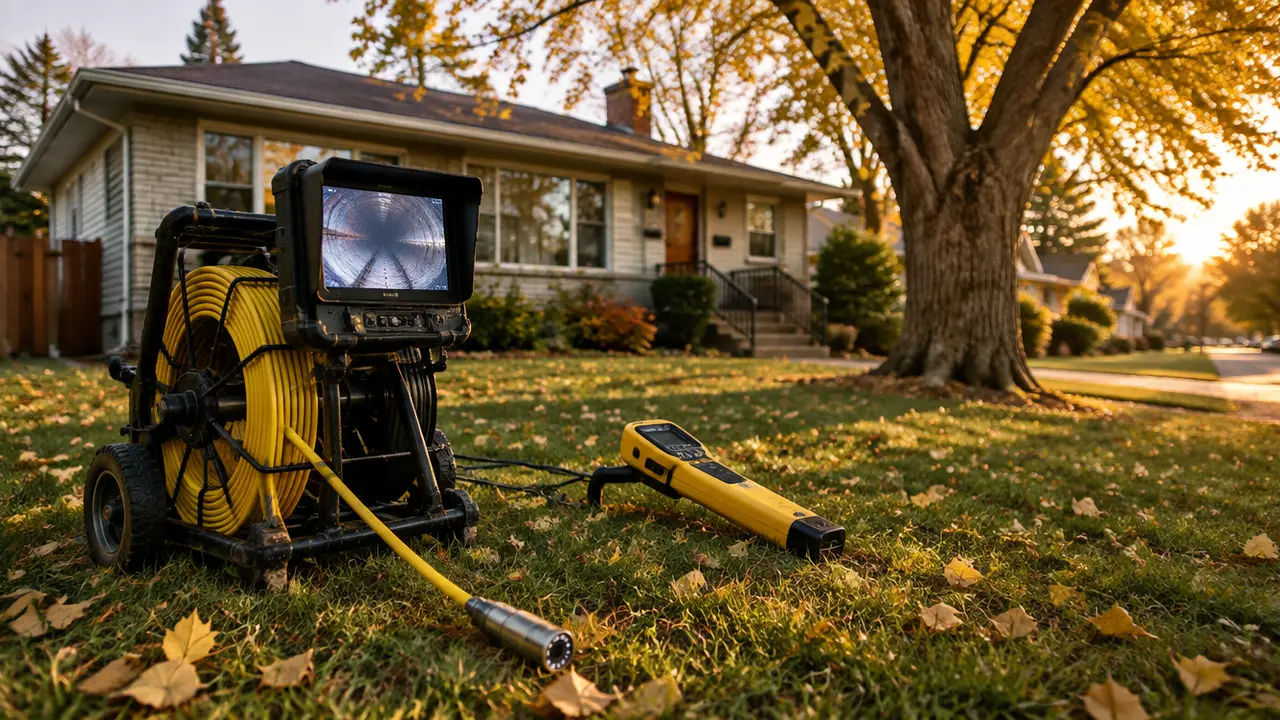
Begin with the operating concern rather than a generic annual cleaning purchase. A building may have repeated callouts on a named run, missing inspection records, a changing tenancy or a poorly documented access route. Describe the concern and the decision it affects. Gather the relevant invoices, reports and incident logs. Ask a provider which assets need investigation, servicing or simple record improvement before selecting a programme. A pipe cannot be maintained sensibly when the scope is based on an unverified assumption about where it goes.
Separate normal planned servicing from emergency response. A scheduled visit should have an agreed asset, access, method and deliverable. A reactive callout may first need to restore flow safely and leave a later assessment open. Keep the work types distinct in the budget and history. Repeating a reactive method on a calendar does not automatically turn it into a prevention plan, especially if recorded evidence suggests a structural issue that cleaning alone cannot correct.
02 /Who should recommend the method and interval?
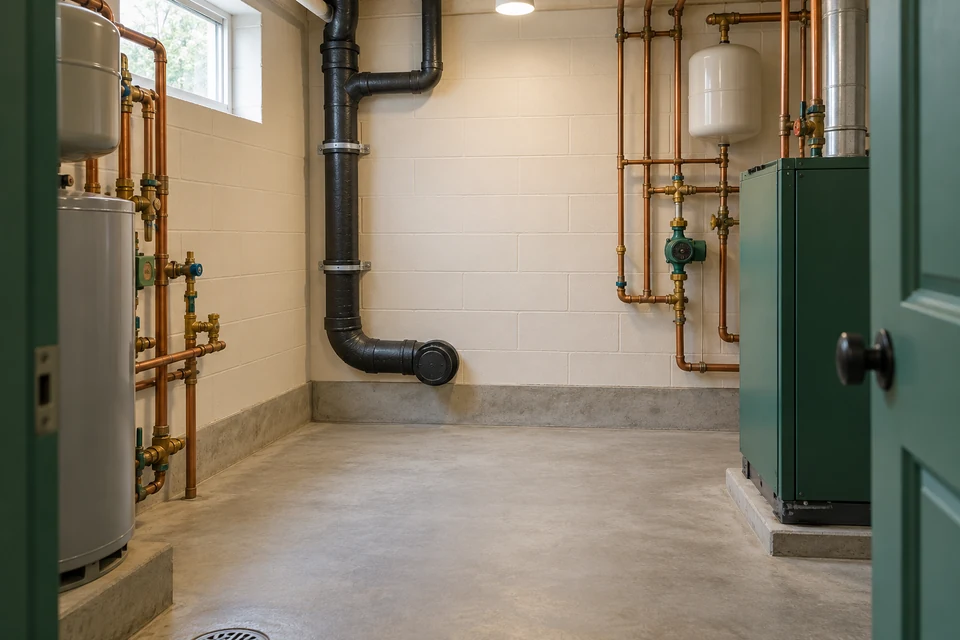
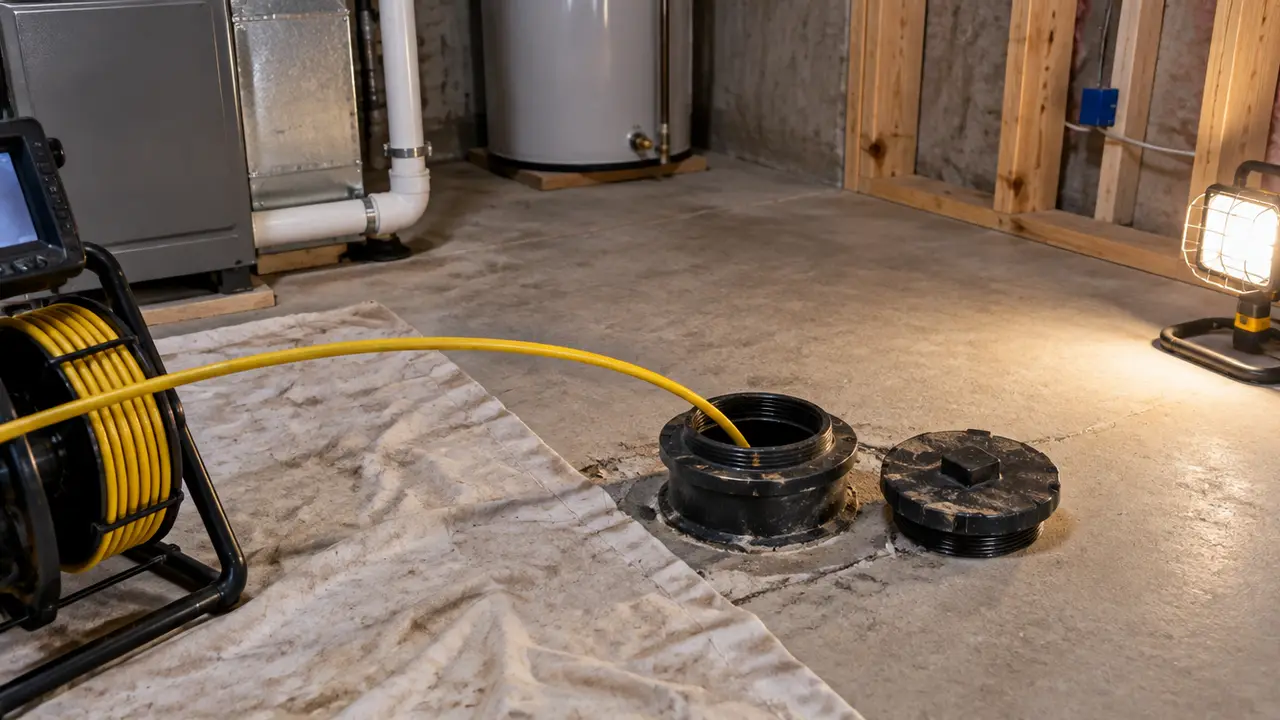
The qualified provider should connect a proposed method to the actual material, access, condition and use. Ask why a cleaning method is suitable, which sections it can reach and what it may leave unobserved. A camera visit, cable cleaning, jetting or another intervention answers different needs. Staff should not choose equipment settings from a generic website or direct a provider to use a method unsupported by the site evidence. The programme records the professional recommendation and its limits.
A service interval is a review decision, not a promise. Ask which findings support it, what change would require an earlier assessment and what evidence the building should collect after each visit. Use the actual history to refine the recommendation with the provider. This guide does not give a universal monthly, quarterly or annual sewer cleaning interval. Different building assets and uses need different consideration, and a standard commercial marketing schedule is not proof that the same plan suits your property.
03 /What needs to be recorded after every planned visit?
Record the date, provider, asset reference, accessed interval and actual work completed. Link the report, invoice and recording where supplied. Ask the provider to state limitations and any new finding that affects the programme. Do not replace this with a checkbox saying serviced when the original scope changed on site. A visit that could not reach an intended run belongs in the history with the outstanding access or investigation visible.
Keep next actions separate from completed work. If the provider recommends a further camera assessment, assign an owner and record whether it was actually commissioned. If they advise a repair review, preserve the evidence and obtain an appropriately defined scope. A recurring suggestion on invoices can disappear into routine filing unless somebody tracks it to a decision. The maintenance register should make that unfinished recommendation easy to find before another callout occurs.
| Field | Purpose |
|---|---|
| Named asset and interval | Avoids treating the whole building as one pipe |
| Reason for the scope | Connects work to evidence or a requirement |
| Access and notices | Makes the scheduled visit achievable |
| Completed deliverable | Separates the purchased scope from actual result |
| Exceptions and next review | Carries unfinished decisions forward |
04 /How do food operations change the programme?
Identify food-service assets separately when they are part of the building. An interceptor, kitchen branch and downstream sewer run are connected but are not the same maintenance item. The business operator, owner and manager should agree who keeps the service records and who reviews downstream problems. Do not apply a food-operation requirement to every apartment drain merely because the building contains kitchens. Confirm which regulated operation and equipment the rule actually covers.
Calgary food-service guidance and its 2026 interceptor service record specify maintenance, cleaning and inspection records kept for two years, with interceptor maintenance every four weeks or more often as needed. Those are the City food-service asset requirements, not a schedule produced by this tool. Check the current official source and the actual operation with the City and provider. The general building programme should reference that separate interceptor record rather than replace it with an unrelated sewer-cleaning invoice.
05 /Which events should prompt reassessment?
Define review triggers with the provider: a recurrence after the contracted work, a change in recorded condition, altered connected use, a new access limitation or a relevant renovation. These triggers help the team reconsider the plan before simply renewing it. Record what changed and the question it creates. A new tenant business, for example, may require reviewing the relevant drainage arrangement and food-service interface; it does not by itself prove that an existing pipe is unsuitable.
Review the maintenance history at a manageable interval agreed by the building team and provider. Look for missing reports, unresolved recommendations and repeated scope limitations as well as symptoms. A quiet period does not certify the system, but it can be one observation in the operational review. Keep outcome statements modest: the work was completed on the recorded interval, the provider reported specified findings, and the next review is assigned. Avoid percentage claims about risk reduction that your records cannot support.
06 /Example: turning repeated callouts into a programme
A manager has a recurring issue but no consistent asset references. Before buying another year of generic cleaning, the manager assembles the event history and asks a provider to identify the investigated section. The provider recommends a defined scope, a report format and an access arrangement. The manager adds resident notices and a role responsible for receiving closeout documents. The programme now specifies what is to be done and what evidence should remain.
At the next visit, access prevents one intended interval from being covered. The report records the limitation, and the manager assigns the missing access rather than marking the whole programme complete. If a later report identifies a condition requiring repair assessment, that becomes a separate decision. Planned work remains useful because it is connected to evidence, and the building can see where cleaning ends and a different intervention may be needed.
07 /A useful commissioning check
Put a programme review on the building administrative calendar with a stated evidence bundle: completed service rows, outstanding recommendations, incident log and changes in use or access. Ask the provider to explain whether the current scope still fits those observations. The review does not need a dramatic finding to be useful; resolving a missing report or arranging an inaccessible cleanout can improve the next visit. Record any revised recommendation and its basis. Preserve the earlier programme so later staff can distinguish a considered update from a schedule that changed without explanation or supporting evidence.
FAQQuestions people ask
Can a property manager choose one drain-cleaning interval for every building asset?
A single interval is convenient administratively but may not reflect the material, use, condition or access of different assets. Ask a qualified provider to recommend the scope and review triggers from actual evidence. Keep specific regulatory obligations, such as a food-service interceptor record, separate. This guide and its briefing tool do not calculate a universal interval or certify that a calendar prevents backups.
What if the provider finds a defect during scheduled cleaning?
Obtain the finding, its location reference and the coverage limitation in the report. Ask what decision is needed next, rather than automatically expanding routine cleaning into a major repair. The building should authorise changed scope through its established process. Record the recommendation and track whether further assessment or pricing actually occurs.
Should planned cleaning and emergency callouts share one budget line?
Keep enough separation to understand what was purchased and why. Emergency work may restore flow while planned work follows a defined programme and deliverable. Combining the history can hide repeated reactive spending or unfinished investigation. Track each asset, work type and report so the provider and manager can review the pattern.
Does having an interceptor service invoice cover the downstream sewer programme?
It documents the interceptor work described by that provider. The downstream branch or sewer interval may have a different scope and evidence need. Identify the assets separately and retain their associated records. Follow the applicable City food-service requirements without assuming the same invoice establishes the condition of all connected pipes.
NETWORKGo deeper across the HAUSE Sewer network
How fast roots grow back, and how often to cut them
How fast roots grow back in a sewer line after cutting, what sets the interval, how often to schedule root cutting, and when a cycle costs more than a fix.
SewerInspector.caAfter the sewer inspection: repair, clean, monitor or reinspect
What to do after a sewer inspection: repair, clean, monitor or reinspect each finding, when to get a second opinion, and how to check who owns the pipe.
SewerJetting.caJetting grease lines: how to actually remove fats, oils and grease
Jetting grease lines explained: why FOG hardens in drains, why snaking a grease clog fails, nozzle and hot water choices, and keeping the line clear.